Last updated November 23, 2026
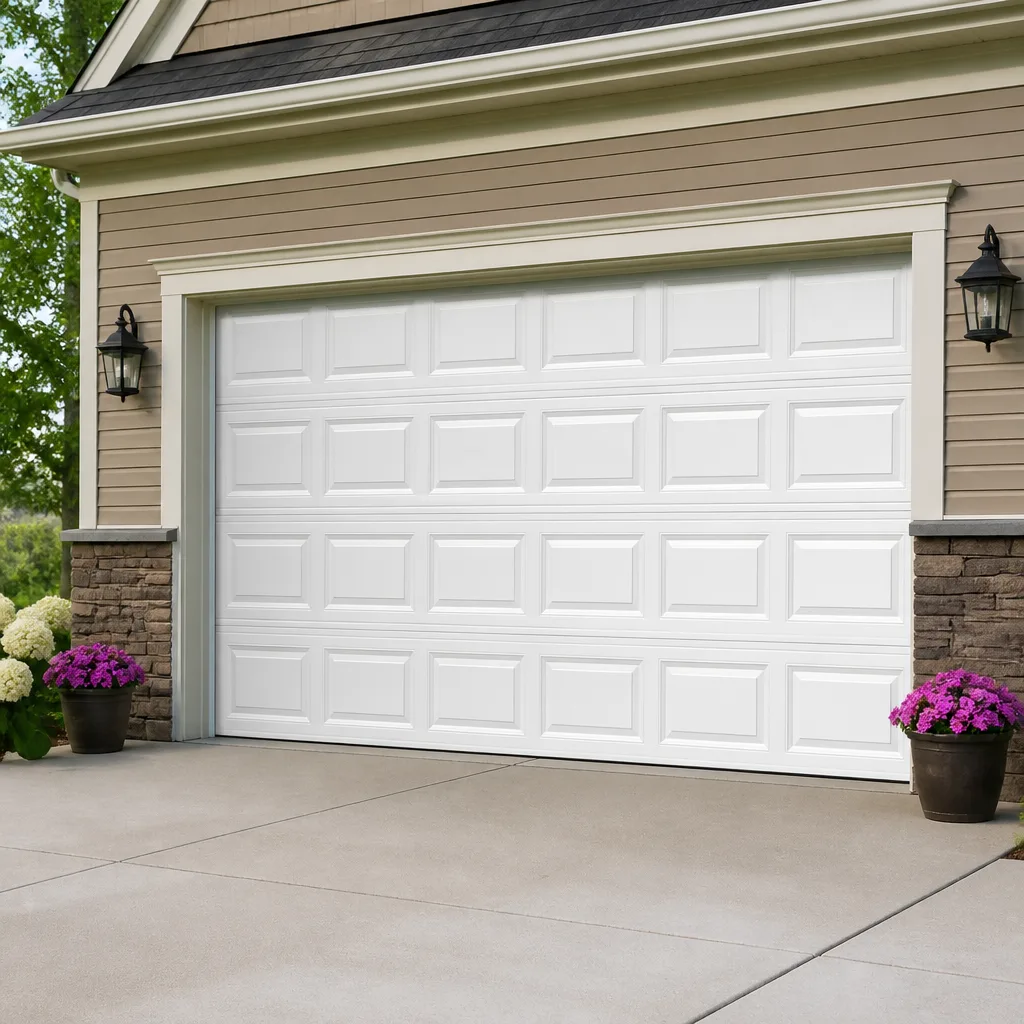 Raised-panel steel
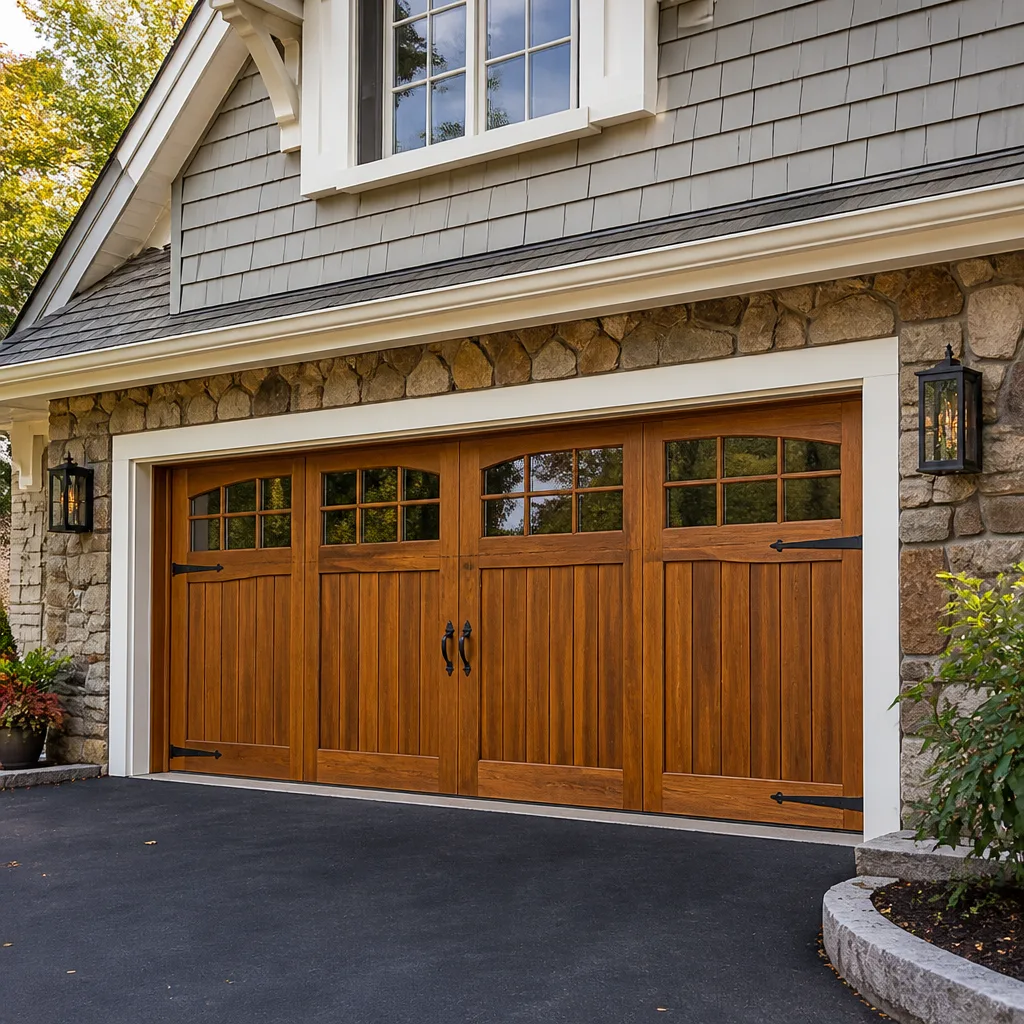 Carriage house
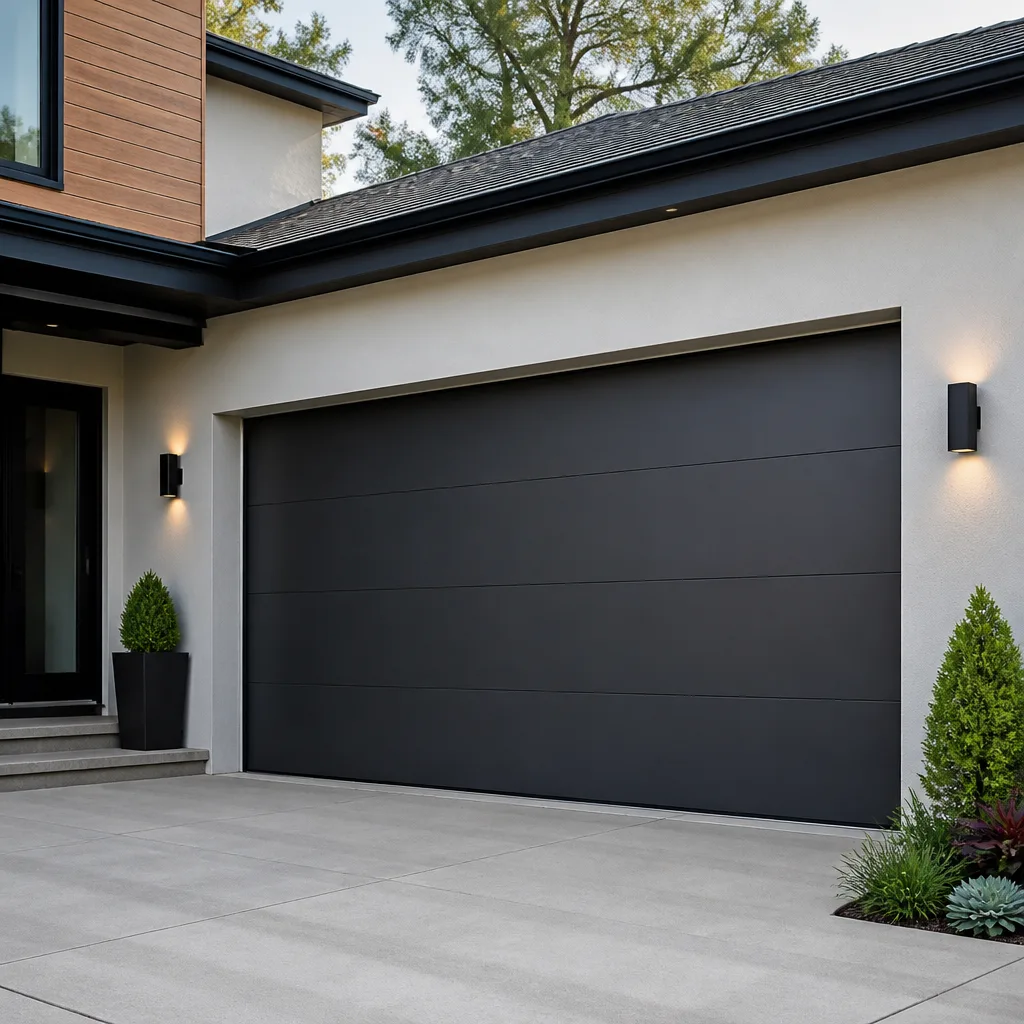 Modern flush
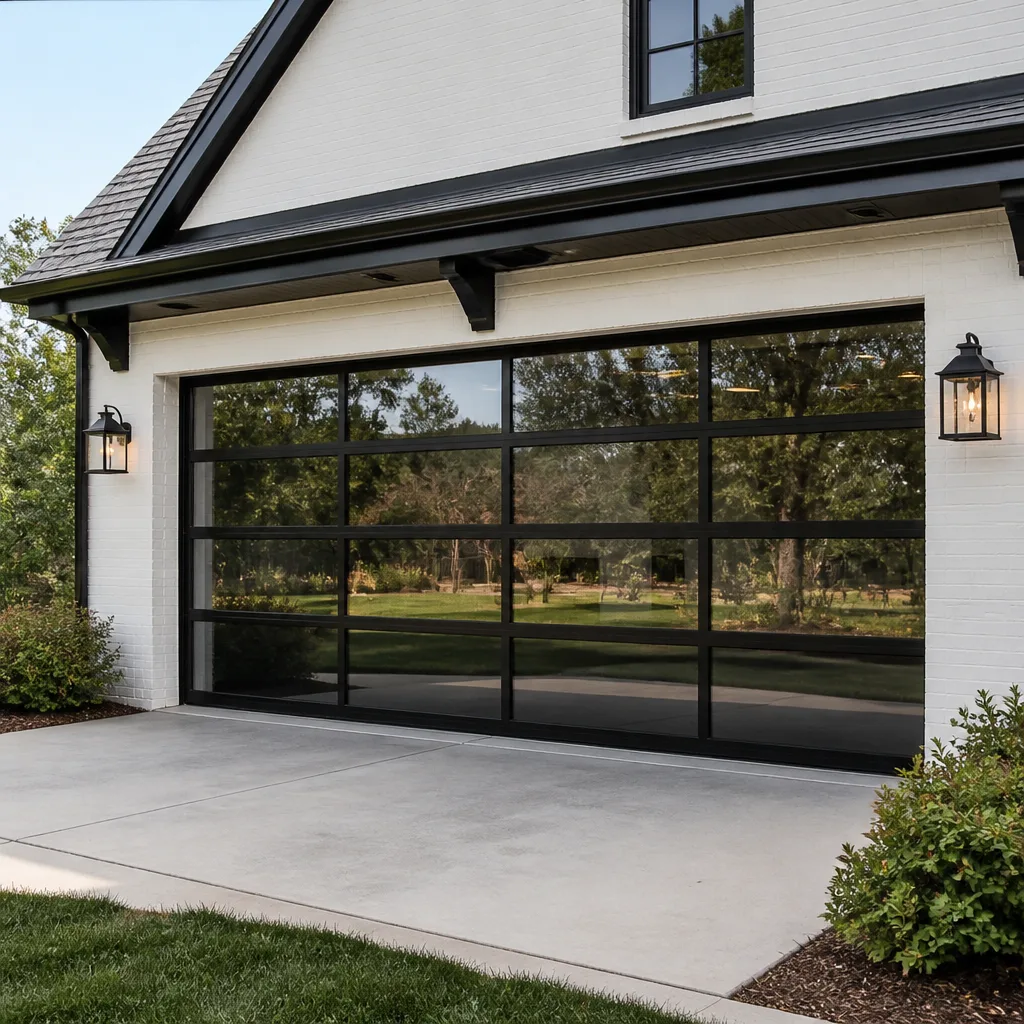 Full-view glass
 LiftMaster openers
 Chamberlain openers
Full 25-point door and opener safety check with every visit - springs, cables, rollers, tracks, and your LiftMaster or Chamberlain opener included
You get a price before we start. It does not change when the pro arrives.
Get your free estimateGarage Door Repair Maintenance Checklist for The Heights Homeowners
Most maintenance checklists floating around the internet were written for a house in a dry climate with no humidity swings and no road salt tracked into the garage. Run that list in The Heights and you’ll spend your afternoon oiling rollers while the actual weak point – the bottom seal bracket where moisture collects – quietly rusts itself into a seized cable drum. The failure points that matter here are different, and they come in a specific order. This guide is that order: what to check, how long each task honestly takes, what to look for, and when a result means you should stop and call someone. We mention The Heights throughout because the climate here genuinely changes the answers.
Quick Answer
The highest-value garage door maintenance for The Heights homeowners is a short, prioritized routine: inspect and dry the bottom seal bracket and bottom rollers every few months, test the door’s balance and reverse function monthly, lubricate moving parts with the right product and not the wrong one, and record what you find so trends show up before they turn into a broken spring or a door that won’t close. Skip the cosmetic items and focus on the points that actually cause emergency calls here.
Styles & brands we work with
- Raised-panel steel
- Carriage house
- Modern flush
- Full-view glass
- LiftMaster openers
- Chamberlain openers
Table of Contents
- Which Maintenance Tasks Actually Prevent Emergencies
- Hardware That Corrodes Faster in The Heights
- Testing Balance and Spring Tension Without Tools
- The Right Lubricants (and the Ones That Damage Your Door)
- A Monthly Routine You Can Do in Ten Minutes
- Record-Keeping That Helps a Technician on the First Visit
- Seasonal Timing for the The Heights Calendar
- Safe vs. Unsafe: What You Should Never Adjust Yourself
Which Maintenance Tasks Actually Prevent Emergencies
Not every checklist item is worth your time, and treating them all as equal is how the important ones get skipped. In our experience, a handful of tasks prevent the large majority of emergency repair calls. Here’s the honest ranking, with realistic time estimates. Treat the first group as non-negotiable and the second group as good housekeeping.
Tier 1 – do these or risk an emergency:
- Bottom seal and bottom bracket inspection: 5 minutes. Look for rust discoloration, standing moisture, and a seal that’s cracked or pulling away. This is the single highest-value check in The Heights because the bottom of the door is where humidity and tracked-in slush sit longest.
- Balance test: 2 minutes. A door that doesn’t hold its position means a spring is losing tension, and springs fail on their schedule, not yours. Covered in detail below.
- Safety reverse test: 2 minutes. A door that doesn’t reverse on contact is a genuine hazard.
- Cable and drum visual check: 3 minutes. Look only – never touch. Fraying or a cable sitting off its drum means stop using the door.
Tier 2 – worth doing, won’t cause a crisis if delayed:
- Lubrication: 10 minutes, every few months (details below).
- Weather seal and frame check: 5 minutes. Matters for drafts and water intrusion more than for safety.
- Hardware tightening: 5 minutes. Loose hinges and brackets are noisy, not usually dangerous.
- Panel and paint touch-up: 15 minutes seasonally. Cosmetic, but it slows corrosion, which connects to the next section.
If you only ever do two things, do the bottom-seal check and the balance test. Together they’re under ten minutes a month and they catch the two problems we get called about most in The Heights.
Hardware That Corrodes Faster in The Heights
The Heights sits in a humid, salt-influenced stretch of New Jersey, and that combination speeds up corrosion on specific garage door parts more than people expect. Inland New Jersey towns with drier air can leave the same hardware alone for years. Here, the parts that trap moisture or sit low to the floor age out faster. You can’t stop the climate, but you can know which parts to watch.
The parts that degrade first in The Heights:
- The bottom seal bracket and the two bottom corner brackets. They sit at floor level where moisture collects. Rust here can transfer onto the cable and eventually seize the cable drum. This is the failure the checklist is built around.
- Bottom rollers and their stems. Same reason – low to the floor, exposed to whatever the garage floor holds.
- Hinges and their pins. The pins are usually bare steel and will surface-rust before the hinge plate shows anything.
- The bottom section’s paint edge. Paint bubbling or flaking along the very bottom edge of the door panel is the earliest visible sign that moisture is winning.
- The opener’s chain or belt track near the door. If the opener hangs low or your garage stays damp, look for light rust on the chain.
What you can do about it without overdoing it: dry the bottom bracket after wet weather when you think of it, keep the garage floor clear so it can dry, and touch up paint chips on the bottom panel before rust spreads under the paint. If you see rust blooming on a bracket, don’t just spray it and move on – have someone look, because a rusted bracket can fail under spring tension. Many Amarr and Wayne Dalton doors in The Heights use steel bottom brackets where this shows up clearly. Paint touch-up is the cheapest corrosion control there is, and it’s why we put it on the Tier 2 list even though it feels cosmetic.
Testing Balance and Spring Tension Without Tools
You can test whether your door’s springs are holding properly with no tools and no technical skill – you just have to know what the result means. The balance test tells you whether the springs are still doing their job or quietly losing tension. Here’s exactly how to do it and how to read the answer.
The balance test, step by step:
- Disconnect the opener so you’re moving the door by hand. With the door fully closed, pull the opener’s release cord.
- Raise the door to about waist height by hand, then let go gently.
- Watch what it does. A healthy door holds roughly where you leave it or drifts slowly. A door that drops hard, or that won’t stay up at all, has a spring problem.
- Try again at chest height. Same reading.
What the results mean:
- Holds roughly in place: springs are doing their job. Reconnect the opener.
- Drops fast from waist height: loss of spring tension. Stop using the door and have it looked at. The door weighs more than you think and the springs are what make it manageable.
- Won’t stay up, or feels extremely heavy: same conclusion. A door you can barely lift by hand means the springs are near failure.
- Feels heavy but the door moves smoothly and holds: could be a weak spring or a door that’s simply heavy for its size. Worth a professional look to know which.
Here’s the part people get wrong: a door that still opens doesn’t mean the springs are fine. Springs weaken gradually and the opener masks it by working harder. By the time you can’t lift the door, the springs are often near the end. We ask homeowners to run this test monthly because it’s the clearest early warning you’ll ever get.
A firm safety warning. Do not try to adjust, tighten, or remove garage door springs yourself. A torsion or extension spring holds enormous stored force, and the springs, cables and drums are the parts of a garage door that injure people when handled wrong. The balance test is safe because you’re only lifting the door by hand with the opener released. Anything beyond that – spring adjustment, cable work, drum work – belongs to a trained professional. Our garage door repair team handles spring work as a named specialty precisely because it’s the most hazardous repair in the trade.
The Right Lubricants (and the Ones That Damage Your Door)
The lubricant you choose matters as much as whether you lubricate at all. The wrong product attracts grit, gums up the mechanism, or dries to a sticky film that makes things worse. The right one is cheap and lasts. In a humid climate like The Heights, this distinction is sharper than it is inland.
What to use:
- A white lithium grease or a dedicated garage door lubricant for hinges, rollers, and the torsion spring’s coils. A light lithium spray is the standard choice for the spring.
- A silicone-based spray for the weather seal and for plastic or nylon rollers. Silicone doesn’t attract dust the way oil does.
What to avoid:
- WD-40 in its classic form is a solvent, not a lubricant. It strips existing lubrication and leaves the part dry. It’s fine for loosening a stuck bolt; it’s not what you want on rollers or hinges.
- Heavy motor oil or grease from the garage shelf attracts grit and turns into a grinding paste in a dusty, humid garage. Inland that’s bad. In The Heights with the humidity, it’s worse.
- Graphite powder on rollers – it dries out the bearing rather than lubricating it.
- Anything labeled “all-purpose” – the garage door is a specific mechanism and it wants a specific lubricant.
Where to apply: a light coat on each hinge pivot, a drop on each roller’s bearing (not the track itself – the track stays dry and clean), and a spray along the spring’s coils. Wipe off excess so it doesn’t collect dust. Ten minutes every few months covers it. If the roll-up on an opener sounds rough or the chain is dry, mention it when you call. A quick look at the opener during a routine visit catches most of the garage door opener repair issues we see in The Heights before they leave you locked out.
A Monthly Routine You Can Do in Ten Minutes
This is the whole checklist reduced to one sitting a month. It’s ordered so the safety-critical items come first and the time-killers come last. If you do nothing else, do steps one through four.
- Check the safety reverse (2 minutes). Place a roll of paper towels or a piece of wood flat on the floor under the door and close the door. It should reverse on contact with the object. If it doesn’t, that’s a stop-and-call item.
- Run the balance test (2 minutes). Release the opener, raise the door to waist height, let go, read the result. Reconnect the opener.
- Inspect the bottom seal and bracket (2 minutes). Look for rust, cracks in the rubber seal, or the seal pulling away from the door. Dry any standing moisture near the bracket.
- Look at the cables (1 minute). Eyes only. Fraying, a cable sitting off its drum, or a loose cable are all “stop using the door” signs.
- Wipe and lubricate lightly if it’s been a few months (3 minutes). Hinges, rollers, spring coils, and the weather seal with the right product from the previous section.
- Eye the track for debris and bends. Clear leaves and grit, and note anything that looks out of line without trying to bend it back.
That’s the whole thing. Two minutes to read, ten to do. A The Heights homeowner who runs this consistently handles the vast majority of what a professional would check on a routine visit, and the two minutes you spend reading a balance test result tells you when to stop and call.
Record-Keeping That Helps a Technician on the First Visit
Most garage door problems give you a trail. The homeowner who keeps a simple record saves a technician a whole diagnostic pass, and that’s a trend that shows up before the door fails. You don’t need an app or a spreadsheet – a single page or a notes file will do. Here’s what to jot down after each monthly check.
- Date and what you did: one line. “Sept – balance test OK, reverse OK, lubed.”
- Anything you noticed that seemed minor: a new rattle, a slow-down halfway up, a grinding sound, a door that started closing unevenly. Date it. A note like “started hearing a click from the right side two months ago” tells a technician more than anything they can find in person.
- The balance test result in plain words: “held,” “drifted down slowly,” “dropped fast.” Trend matters more than any single reading.
- Lubrication dates and product used: so nobody double-applies a different product or misses a rotation.
- Any hardware you changed: if you replaced a roller or tightened a hinge, note it with the date.
- The brand and model, if you know it: a Wayne Dalton or Raynor door or a LiftMaster opener is trivial to work on once the technician knows what they’re looking at. The label is usually on the door or the opener unit.
Why this matters here: in a humid climate, a part can behave fine one month and start a slow decline the next. A dated record turns “the door feels heavy” into “the door has been getting heavier for six weeks,” which points straight at the spring instead of sending a technician on a hunt. We ask The Heights customers to bring notes to a service call whenever they have them – it’s the fastest way to the right fix on the first visit, and it’s why we bother telling you to keep records at all.
Seasonal Timing for The Heights Calendar
The seasons in The Heights push on a garage door in a predictable rhythm. Aligning your checklist to that rhythm means less wasted work and fewer surprises. The garage door doesn’t care about the calendar, but the humidity, salt, and freeze-thaw cycles do.
- Late fall – the biggest inspection window. Before the wet, cold months set in, do a full Tier 1 and Tier 2 pass. Check the bottom seal and bracket closely and touch up any rust before winter. This is when a The Heights homeowner should schedule a professional check if the door has been ignored.
- Winter – moisture and salt tracker. Snow, slush, and road salt get tracked into the garage and sit at the bottom of the door. Wipe the bottom bracket dry after wet weather when you can, and keep the floor clear so it dries.
- Spring – the thaw check. Freeze-thaw cycles loosen hardware and work the weather seal. Re-run the balance test and tighten loose hinges. Look for new drafts and moisture trails.
- Summer – heat and humidity. This is when surface rust blooms fastest. Pay attention to the bottom bracket and hinges, and lubricate with a product that doesn’t attract grit in the humid air.
If you want one rule to keep: do a full checklist in late fall and again in spring, and run the monthly ten-minute routine in between. Those two full passes line up with when corrosion and looseness peak in The Heights. For a door that’s nearing the end of its life, the same spring and fall windows are good times to plan a replacement rather than a repair – a measured, written quote on a new door is far easier to line up than an emergency call in the wet season. Our garage door installation team walks homeowners through that decision without pressure.
Safe vs. Unsafe: What You Should Never Adjust Yourself
A maintenance checklist is only as good as the line between what you can safely do and what you can’t. In our experience, nearly every serious injury in garage door work happens when a homeowner or an untrained helper goes past that line. So here’s a clear boundary for The Heights homeowner.
Safe to do yourself:
- Run the balance test, reverse test, and visual inspections.
- Lubricate with the right product.
- Tighten hinge and bracket bolts that are visibly loose.
- Wipe up moisture, touch up paint, clear debris from the track, replace the weather seal.
- Replace plastic or nylon rollers and the bottom rubber seal. Both are forgiving and don’t carry stored spring force.
Never do yourself:
- Adjust, tighten, or remove torsion or extension springs. They carry enormous stored energy.
- Loosen or replace the cables or the cable drums.
- Bend or straighten track that’s been hit or has shifted.
- Adjust the opener’s force or travel limits on a door that has a suspected spring problem.
- Anything that requires the door to be partially open with the opener disconnected while you’re working on the mechanism above the door.
If a check turns up a spring, cable, or track problem, stop and have it looked at. The right fix costs less than an emergency room visit and lasts longer than a patch. Our technicians have up to 14 years of experience with exactly this kind of work, and we’d rather tell you a job is small than have you find out it wasn’t.
Common Mistakes to Avoid
- Spraying WD-40 on rollers and hinges. It strips the lubricant and leaves the metal dry, so the part wears faster. It’s a solvent, not a lubricant – use white lithium or a dedicated garage door spray instead.
- Skipping the bottom seal and bracket while oiling everything else. In The Heights’ humid air, that low hardware is the fastest thing to corrode and the most likely to cause an emergency. Ignoring it to keep the door looking shiny is backwards.
- Assuming a working door means healthy springs. The opener masks a weakening spring until it can’t. Run the balance test monthly and take the result seriously.
- Replacing one spring when the pair should go together. Matched springs wear at the same rate. Replacing one leaves the older sibling to fail soon after, and that’s a second call. A professional will usually recommend replacing the matched pair together.
- Bending track back with a hammer. A bent track usually means something else moved too – eyeball it and call a professional rather than forcing it straight.
- Keeping a mental record instead of a written one. “It’s been a bit sluggish” tells a technician far less than “started getting heavy around the middle of March.” Date your notes.
- Cleaning the tracks with oil or grease. The tracks should stay dry and clean. Grease in the track attracts grit and causes the rollers to bind.
See the difference
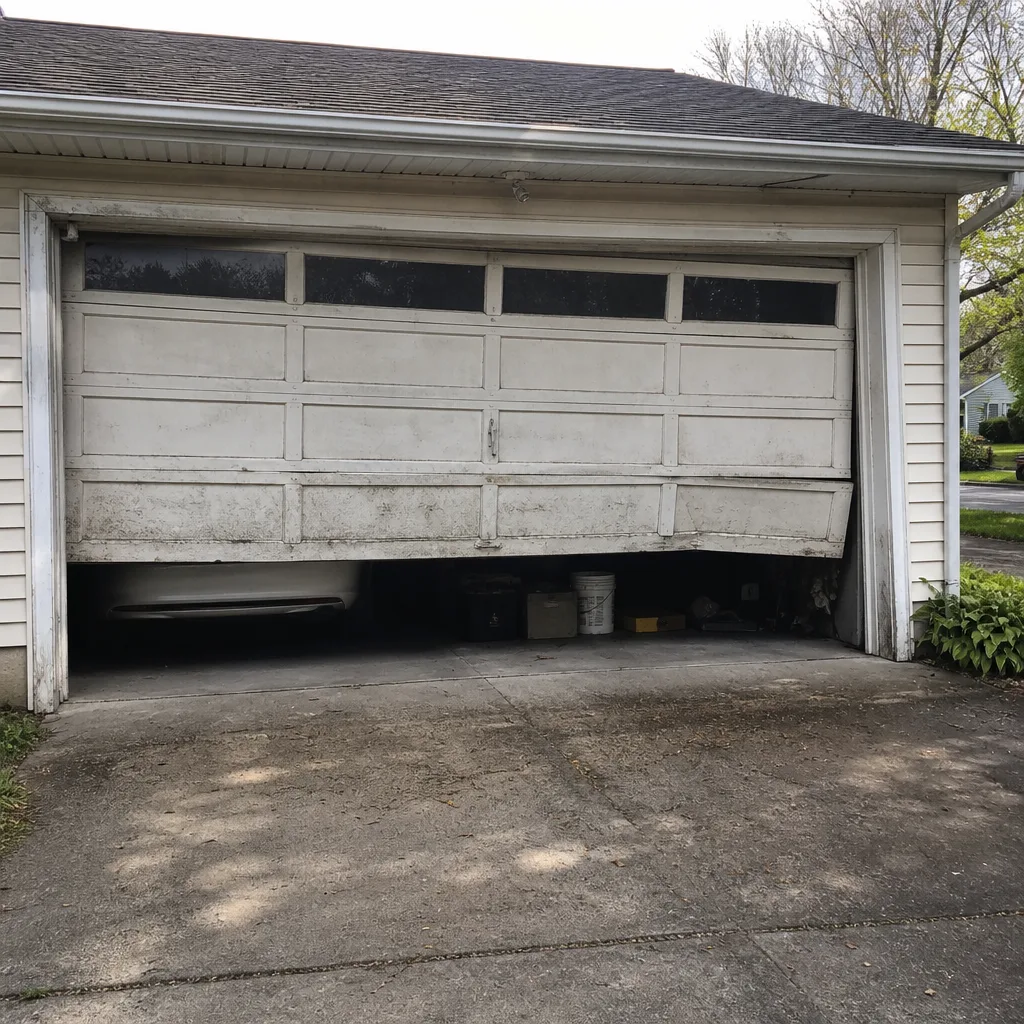 Before
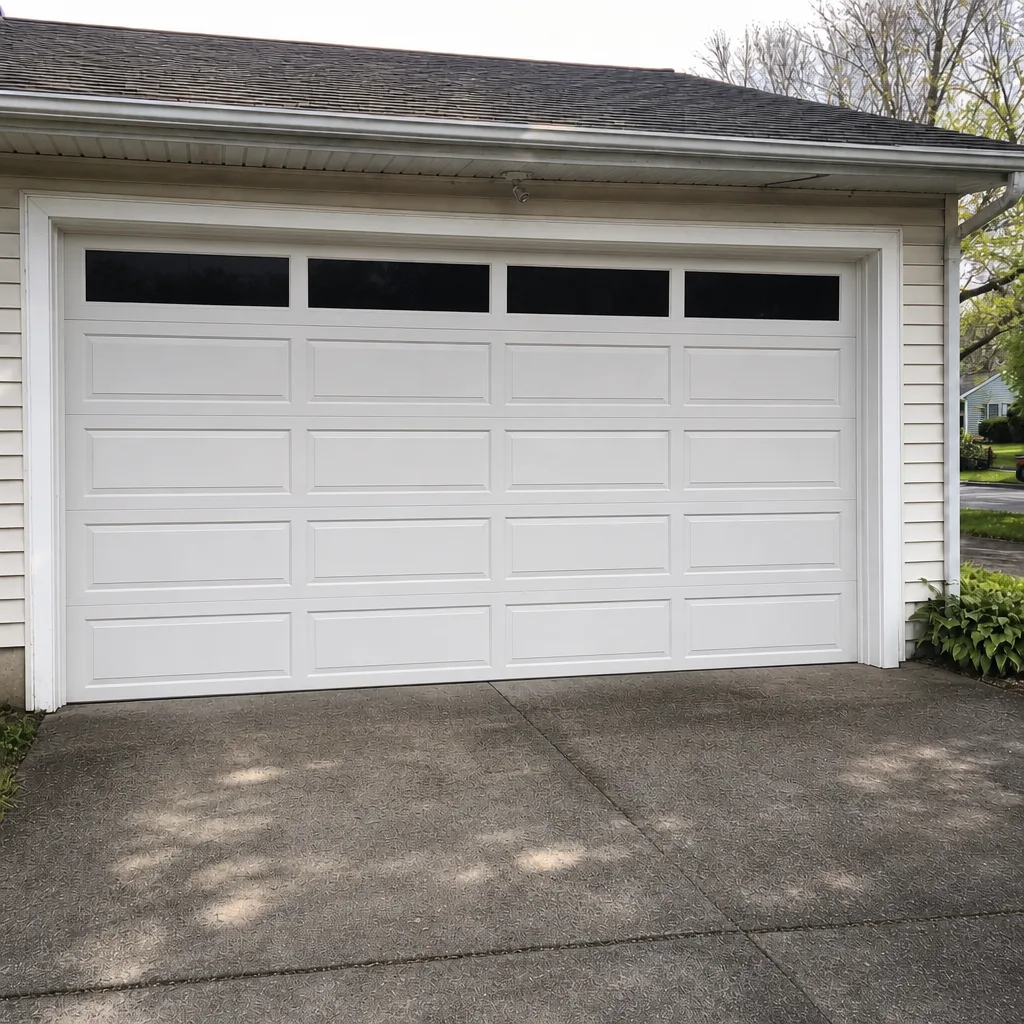 After
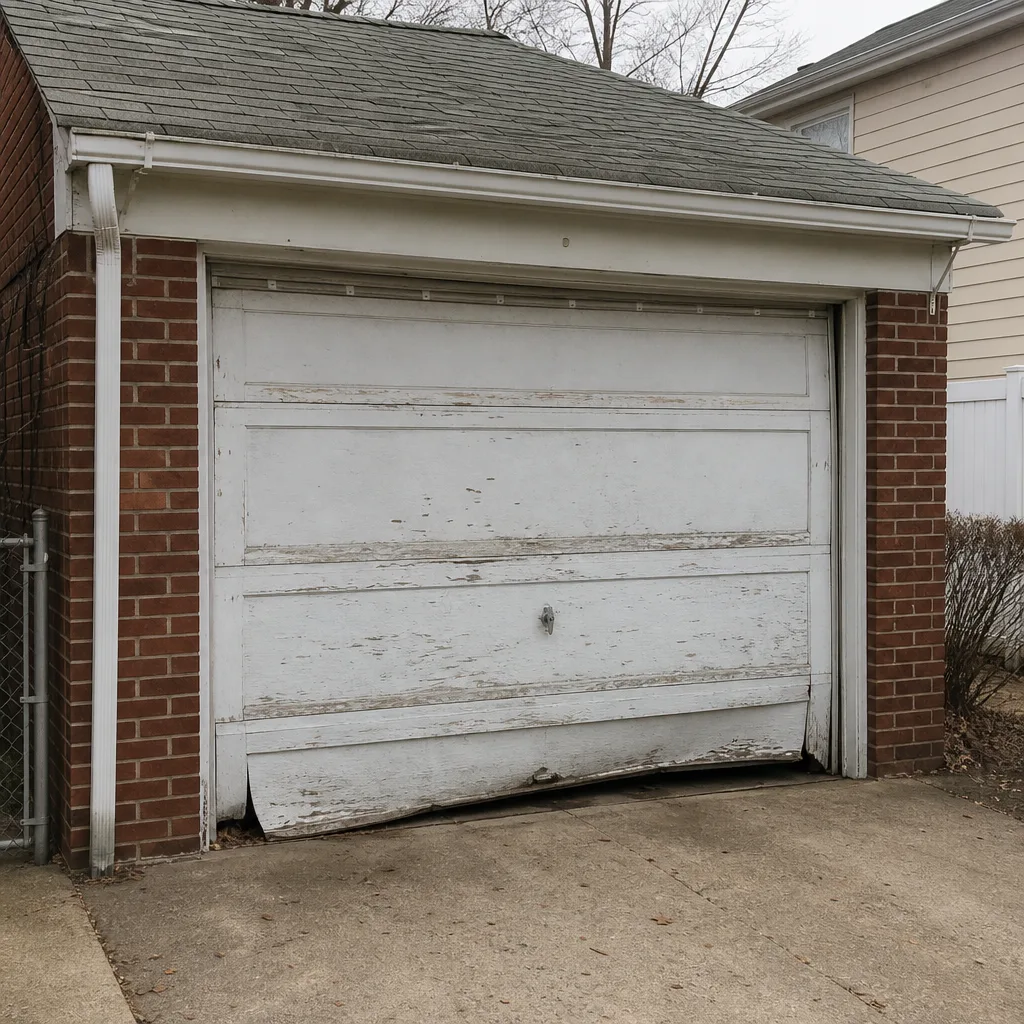 Before
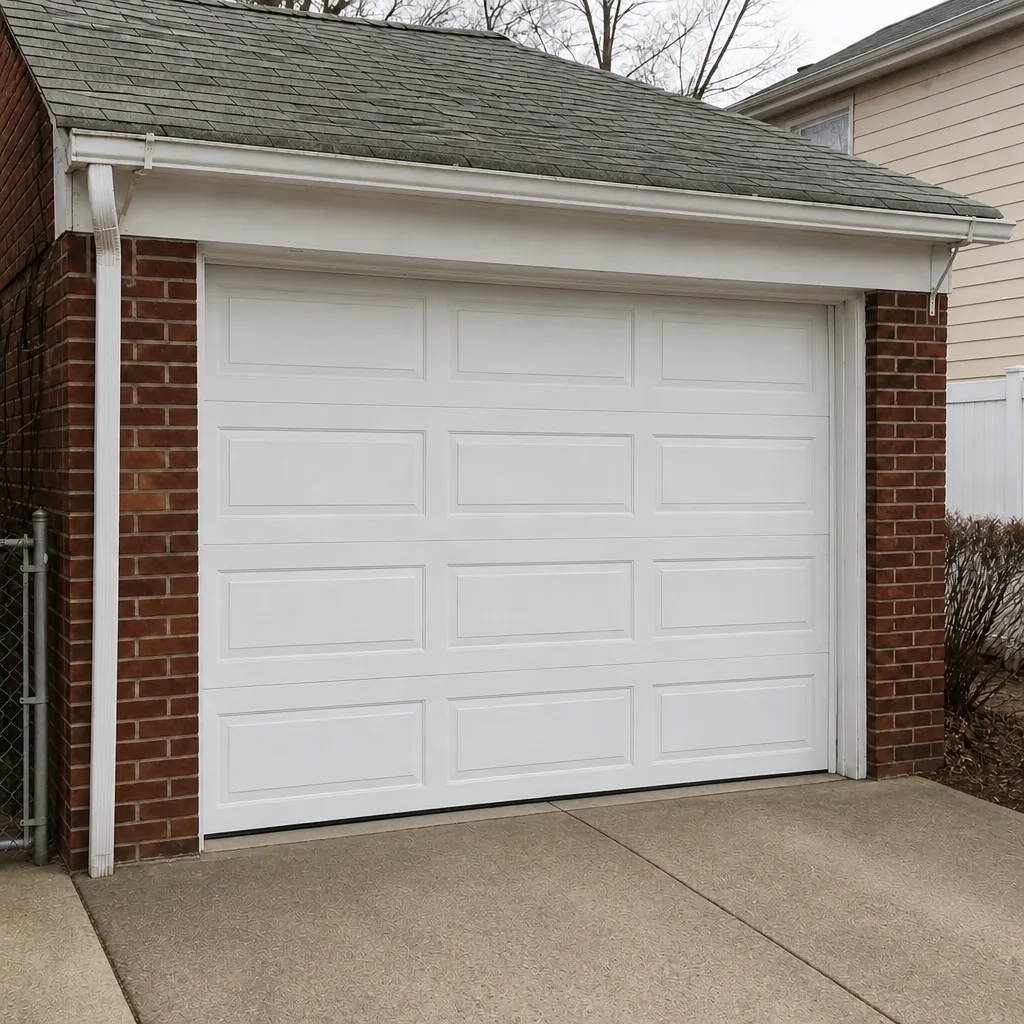 After
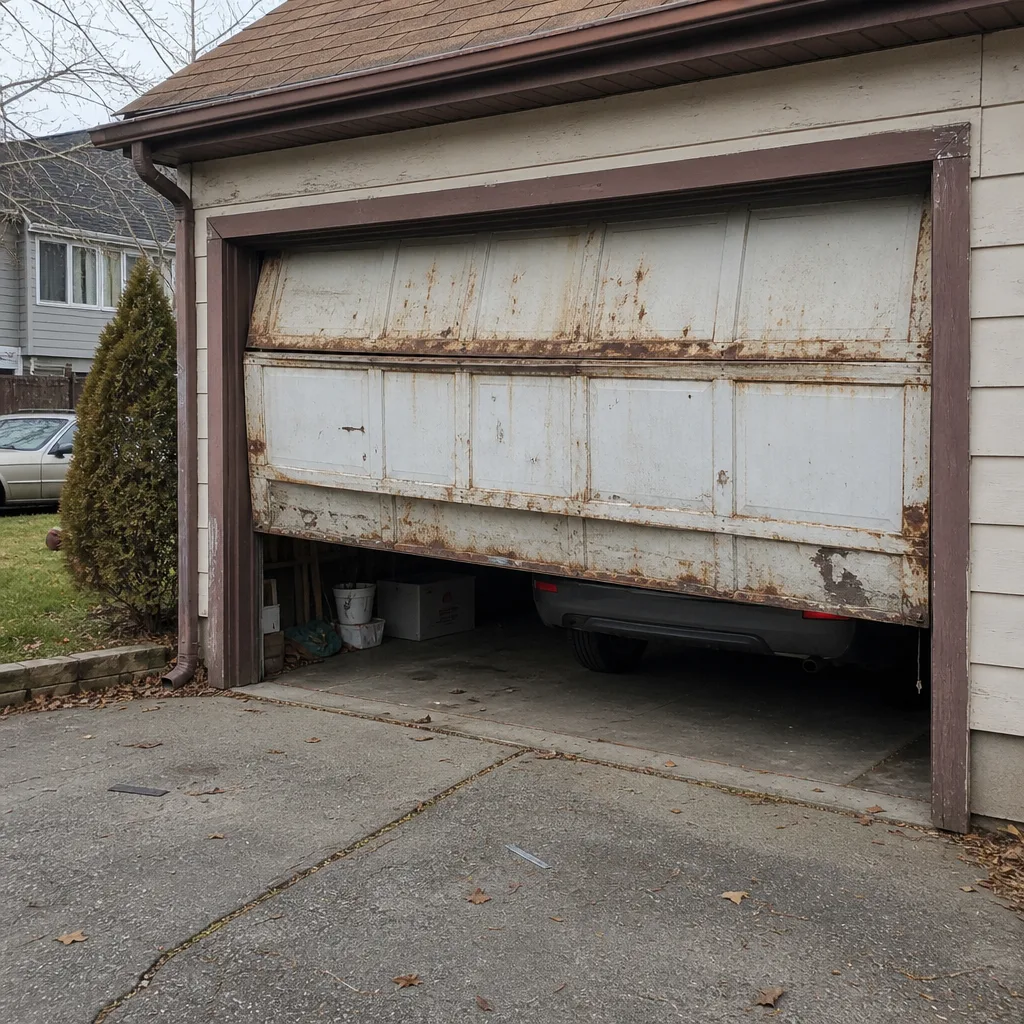 Before
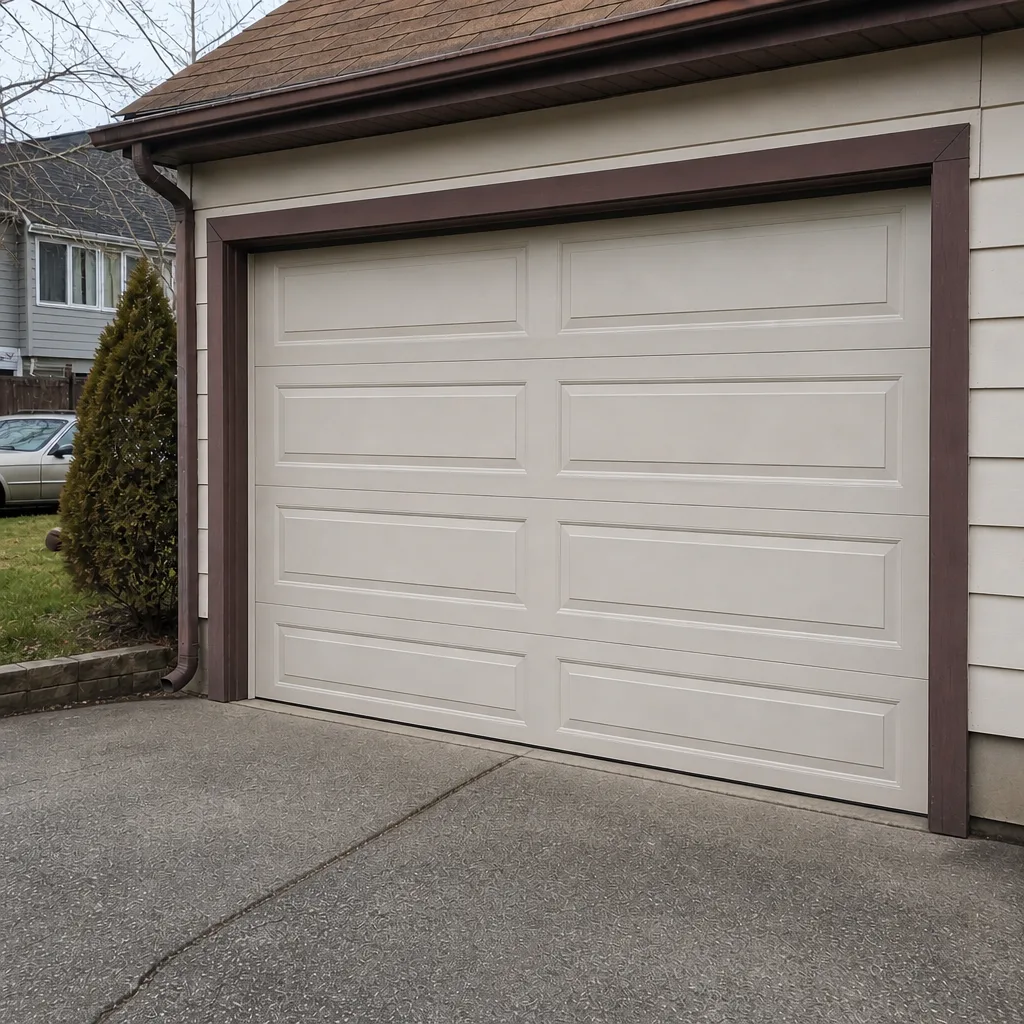 After
When to Call a Professional
Call a professional when the balance test shows a fast drop, when you spot a frayed or off-track cable, when a spring looks rusted or is making noise, or when the door reverses inconsistently. Those are stop-and-call items, not next-month items. Call us too if the door is old enough that repairs are stacking up – a measured replacement is often the better path than another fix on the same door. When your door won’t move and you’re stuck with a security or downtime problem, that’s an emergency call, and we treat it as one. The Heights Garage Door Repair offers free estimates in The Heights – call (844) 325-8504, and the price is quoted and agreed before any work starts. Our technicians work on LiftMaster, Chamberlain, Genie, Clopay, Amarr, Wayne Dalton, Craftsman and Raynor hardware, so there’s no guesswork about your brand.
Frequently Asked Questions
A routine garage door maintenance visit in The Heights typically runs $100-$180, and a tune-up with lubrication, adjustment and a safety check falls in that range depending on the door. If a check turns up a spring or opener issue, that’s a separate repair and priced separately. We quote and agree the price before any work starts, so there’s no surprise on the invoice. Call (844) 325-8504 for an exact quote – estimates are free.
You should run the balance test every month and look at the springs directly every few months. In The Heights’ humid air, surface rust on springs and hardware shows up faster than it would inland, so monthly checks catch it earlier. If a spring looks rusted, sounds loud, or the door drops fast when released at waist height, stop using the door and have it looked at.
No – do not attempt a garage door spring repair yourself. Torsion and extension springs carry enormous stored force and are the most dangerous parts of a garage door. The safe homeowner actions are the balance test and a visual inspection; any actual spring, cable, or drum work should go to a trained professional. Call (844) 325-8504 and we’ll give you a free estimate on the correct fix.
Note the date, what you checked, the exact balance-test result in plain words, and anything new you noticed – a rattle, a slow-down, a grinding sound – with the date. Also record any hardware you changed and the brand and model if you know them. That record lets a technician spot trends on the first visit instead of starting from scratch. Bring the notes when you call (844) 325-8504.
Yes, as long as you use the right product and stay away from the springs, cables and drums while doing it. Use white lithium grease or a dedicated garage door lubricant on hinges, rollers and spring coils, and a silicone spray on the weather seal. Avoid WD-40 (it’s a solvent) and heavy motor oil (it attracts grit). If the door is stuck or the opener is struggling, call us before you lubricate.
The written estimate sets the price, so what you agree to is what you pay for that scope of work. If a check uncovers something the estimate didn’t cover – a cracked bottom section, a failing opener – the technician explains it and quotes it before doing any of it. No surprise invoice after the fact. Call (844) 325-8504 for a free estimate on your The Heights door.
The Bottom Line
A garage door maintenance checklist is only useful if it’s built around the failure points that actually show up where you live. In The Heights, that means treating the bottom seal bracket, bottom rollers and spring tension as the top priorities, using the right lubricants and skipping the wrong ones, and keeping dated records so trends surface early. Do a full pass in late fall and spring, run the ten-minute routine monthly, and stop at springs, cables and drums – those belong to a professional. Our technicians have up to 14 years of experience, and we work on your brand, from Wayne Dalton to Raynor. When you’re ready for a proper look, The Heights Garage Door Repair is a call away.
Call (844) 325-8504 for a free estimate on maintenance, repair, or a replacement door in The Heights. The price is quoted and agreed before any work starts.
Written by the team at The Heights Garage Door Repair.