Last updated November 23, 2026
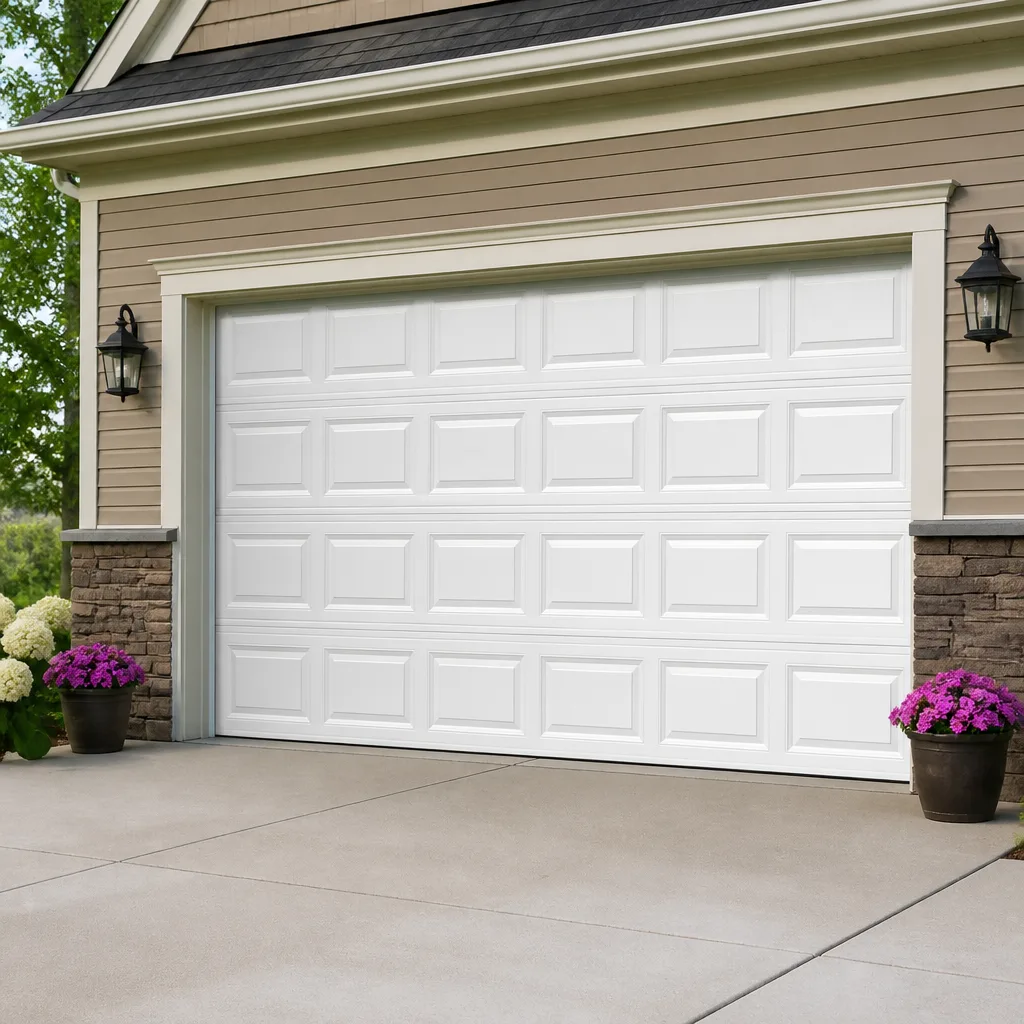 Raised-panel steel
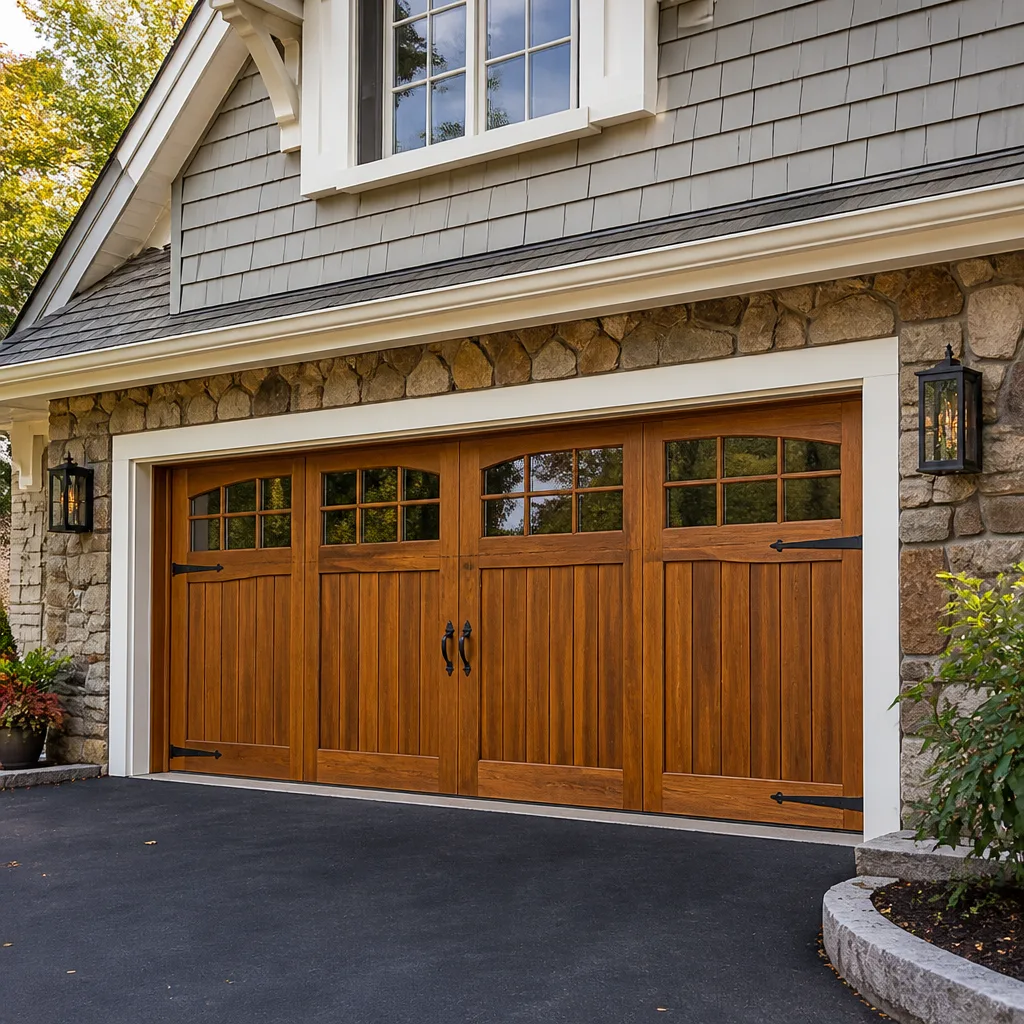 Carriage house
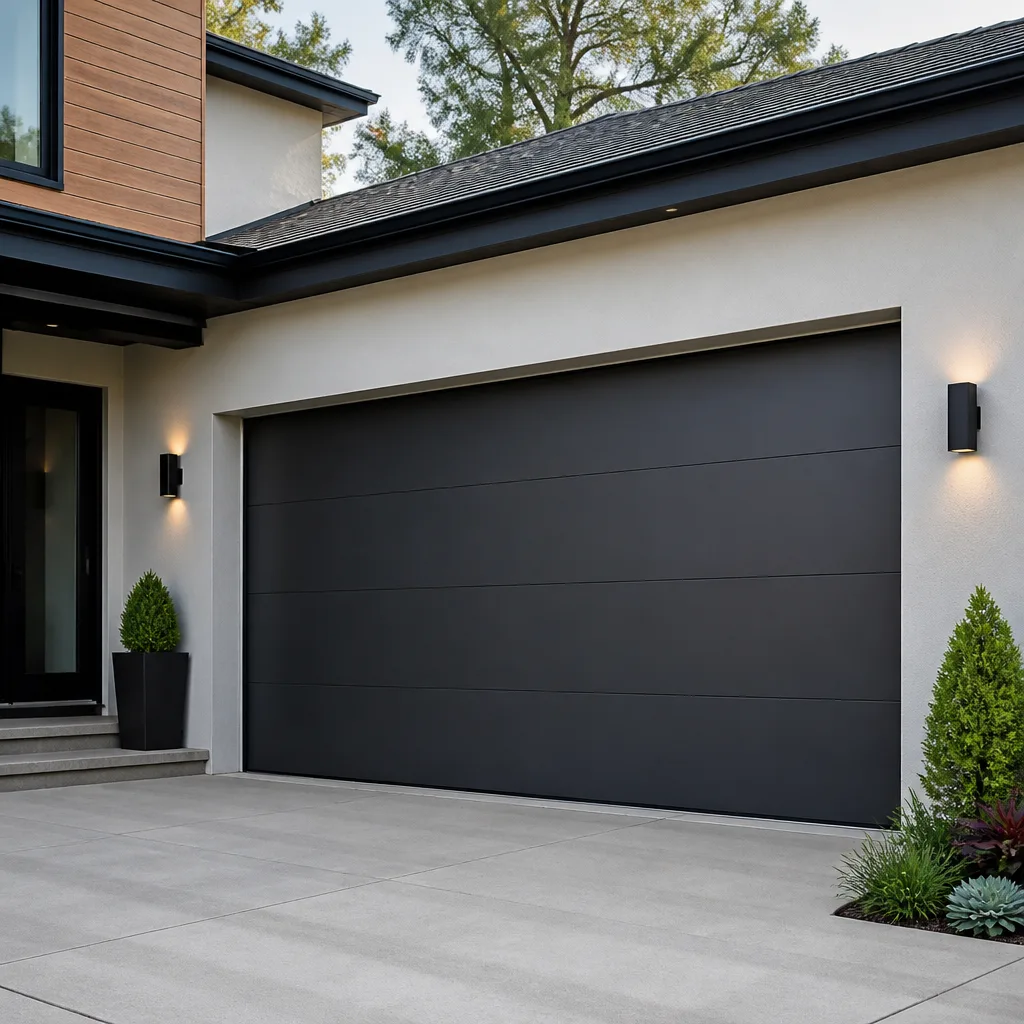 Modern flush
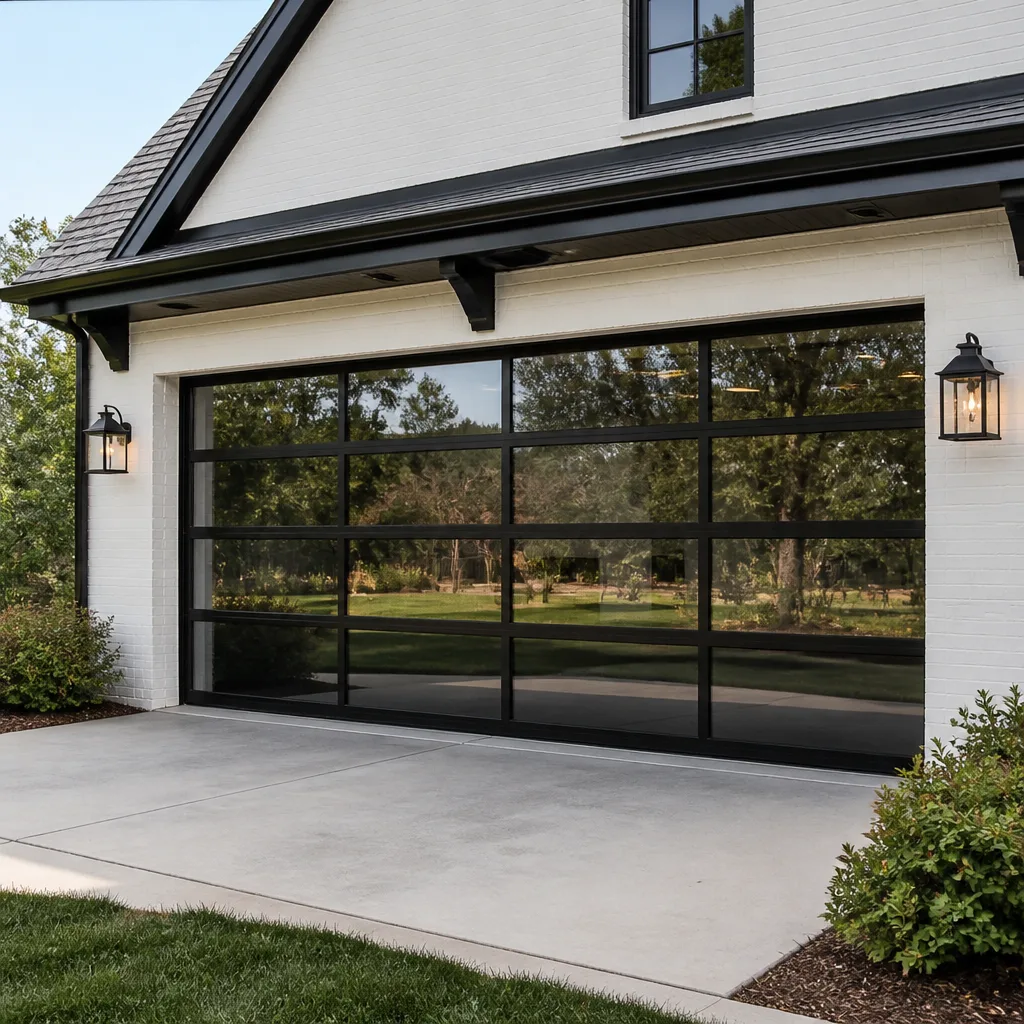 Full-view glass
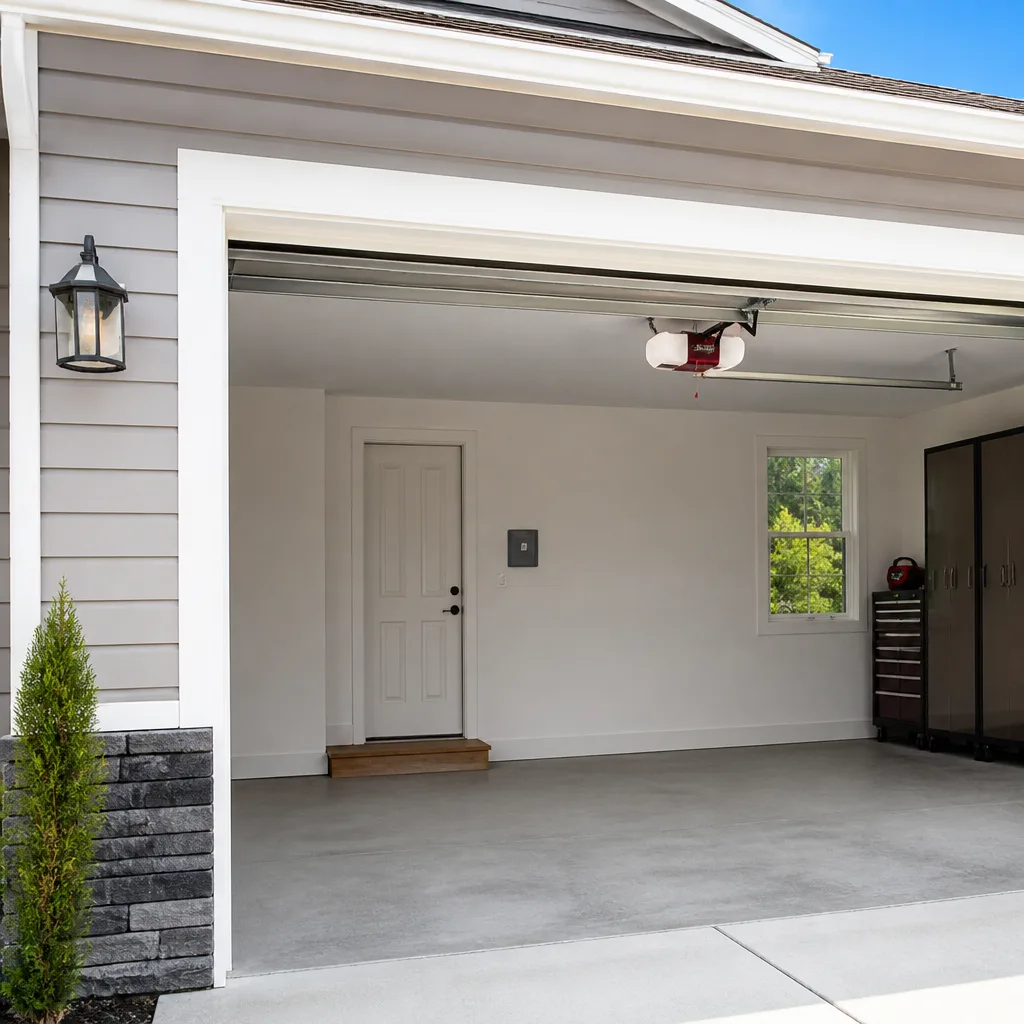 LiftMaster openers
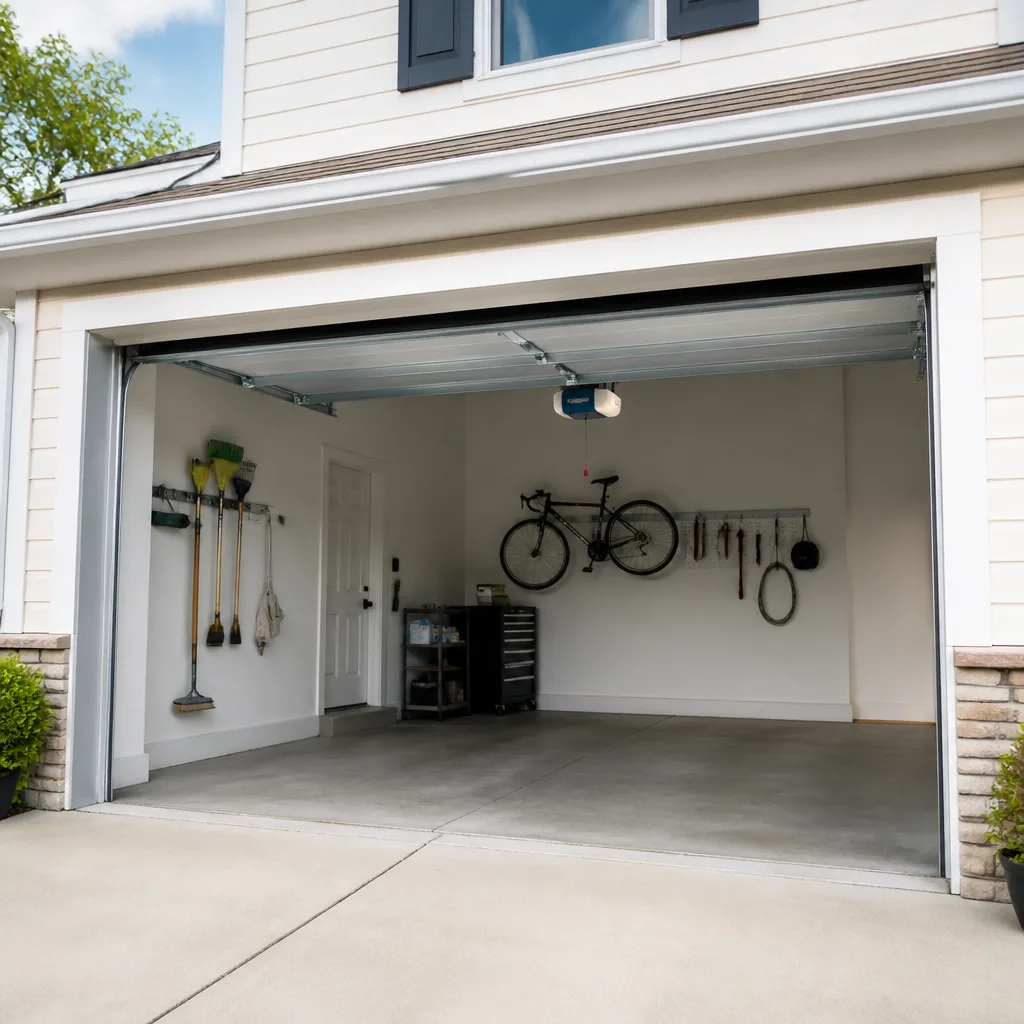 Chamberlain openers
Full 25-point door and opener safety check with every visit - springs, cables, rollers, tracks, and your LiftMaster or Chamberlain opener included
You get a price before we start. It does not change when the pro arrives.
Get your free estimateHow to Hire a Garage Door Contractor in The Heights: A Step-by-Step Guide
Here’s a detail most hiring guides skip: a contractor can hold every license New Jersey requires and still not know how to match a spring’s cycle rating to the weight of your door. Licensing proves someone passed an exam and registered with the state. It doesn’t prove they’ve spent years setting torsion springs, reading opener logic boards, or calculating whether a Clopay door and a LiftMaster opener will actually work together once installed. When a garage door job in The Heights goes wrong, it’s usually not because the contractor was unlicensed. It’s because they were a generalist who learned on your door. This guide gives you the specific questions, verification steps, and quote-comparison methods that separate a focused garage door specialist from someone treating your job as a side project. We’ll cover how to check licensing and trade credentials, what to ask during an interview, how to read a quote correctly, and what a real written warranty contains.
Quick Answer
To hire a garage door contractor in The Heights, verify two separate things: a valid New Jersey Home Improvement Contractor registration and genuine garage door trade experience, because the license alone doesn’t confirm door-specific skill. Then ask targeted interview questions about spring specs, permits, and warranties, and compare quotes by cycle ratings and hardware grades rather than headline price. A legitimate contractor will welcome these questions, put a written price in front of you before work starts, and hand you a warranty that spells out parts, labor, and response time in writing.
Styles & brands we work with
- Raised-panel steel
- Carriage house
- Modern flush
- Full-view glass
- LiftMaster openers
- Chamberlain openers
Table of Contents
- Licensing vs. Trade Certification: What New Jersey Actually Requires
- How Do You Verify a Garage Door Contractor in The Heights?
- Five Interview Questions That Reveal Real Specialization
- How to Compare Two Garage Door Quotes Correctly
- Spring Cycle Ratings and Hardware Grades: Why the Details Matter
- What a Legitimate Garage Door Warranty Looks Like in Writing
- Red Flags Specific to Door Installation and Repair Quotes
- How The Heights Conditions Affect Your Door and Hiring Decision
- Common Mistakes to Avoid
- When to Call a Professional
- Frequently Asked Questions
Licensing vs. Trade Certification: What New Jersey Actually Requires
New Jersey requires home improvement contractors to register with the state Division of Consumer Affairs, and that registration is the baseline you should expect before anyone touches your door. But here’s the gap that trips up homeowners in The Heights: a Home Improvement Contractor registration covers a broad category of residential work. It does not certify that the holder understands torsion spring mechanics, opener model compatibility, or the difference between a 10,000-cycle and a 25,000-cycle spring. Those are trade-specific skills learned on the job, not tested on a licensing exam.
So what does that mean when you’re hiring? It means you need to verify two separate things, not one.
- The legal layer: A current New Jersey Home Improvement Contractor registration. Ask for the registration number and confirm it’s active with the state before the crew arrives. A legitimate contractor won’t hesitate to share it.
- The trade layer: Evidence that garage doors are what they do all day, every day. That could mean manufacturer certifications, brand-specific training from names like Raynor or LiftMaster, or simply a track record of door-only work you can verify through references and detailed questions.
A contractor can hold the state registration and still be a poor choice for a spring replacement. Conversely, deep garage door experience without the registration isn’t acceptable either, because the registration protects you on contract terms and consumer rights. You want both, and you want to confirm each one rather than assume. If someone waves a license and says “that means we can do anything,” that’s a sign they don’t understand the distinction either.
Remember that licensing tells you someone passed a test. It does not tell you they know spring tension calculations or that they keep up with current energy code compliance for new door installations. Those are the things you have to ask about directly, which is exactly what the next two sections cover.
How Do You Verify a Garage Door Contractor in The Heights?
Verification is a five-step process you can complete in a single evening before you ever sign a contract. It protects you from the most common hiring failures and takes almost no technical knowledge to perform.
- Confirm the state registration number. Ask for the New Jersey Home Improvement Contractor registration number and check it against the Division of Consumer Affairs records. Don’t accept an insurance certificate as a substitute; they prove different things.
- Ask about garage-door-specific credentials. A specialist will be able to name the brands their technicians are trained on and describe the installation and service work they perform on them. We work fluently across brands like LiftMaster, Chamberlain, Genie, and Raynor, and that range matters because your home may combine an Amarr door with a Chamberlain opener.
- Request written references for similar work. Ask specifically for recent installations of the same type of door or repairs of the same type of opener you need. A generalist may have done one garage door three years ago; a specialist can point to a steady stream.
- Check that they carry insurance and can provide proof. The local pro should be licensed and insured as New Jersey requires. Ask for the certificate and confirm it’s current.
- Get the quote and warranty scope in writing before scheduling. A contractor who wants to start work before you’ve seen a written price or warranty terms isn’t one to invite back.
Verification in The Heights is easier than many homeowners expect because the state records are public and the good contractors make this painless. The ones who get defensive when you ask for a registration number or written warranty terms are telling you something useful.
Five Interview Questions That Reveal Real Specialization
You don’t need to become a garage door expert to hire one. You need five good questions and enough ear to tell whether the answers are specific or vague. Any door specialist will answer these without blinking. A generalist will start hedging.
- “What cycle rating do you recommend for my spring, and why?” A real specialist talks about door weight and how often the door runs. A generalist will say “standard” or change the subject. This single question exposes whether they’ve thought about your door as an engineered system or a piece of hardware to swap.
- “Do you handle the permit, or do I need to pull it?” Most cities require a permit for structural or installation work, so ask your city’s building department what applies to your job and whether the contractor will file it. Someone who never mentions permits on an installation quote is either inexperienced or hoping you won’t ask.
- “How many doors do you work on in a typical month?” You don’t need an exact number, but the shape of the answer tells you a lot. A dedicated specialist works on doors constantly. A handyman splits attention across plumbing, fences, and drywall.
- “What brands do your technicians know without looking up the manual?” The good answer names a real range. If your door and opener are from different manufacturers, you want someone comfortable with both. Specialist familiarity with a broad brand set means less guesswork and fewer return visits.
- “Walk me through your written warranty.” The answer should separate parts, labor, and response time. Anything that starts with “lifetime” but can’t produce written terms is not a warranty you can rely on.
Listen for hesitation more than you listen for polish. A knowledgeable contractor answers in specifics – spring wire gauge, opener model compatibility, permit process – because those are things they handle every week. When your door won’t move, you want the person whose whole job is getting it to move again.
How to Compare Two Garage Door Quotes Correctly
Two bids can look identical on the bottom line and be completely different jobs. The difference lives in the specifications, and if you only compare the total price, you’ll often choose the cheaper job without realizing that’s what you did. Here’s how to line them up properly.
Start by asking each contractor to break the quote into parts. A legitimate estimate for a spring replacement, for example, should distinguish the cost of one spring from a matched pair, since pairs are usually replaced together and a pair costs roughly twice a single spring. Ask them to spell out the spring cycle rating they’re specifying, the hardware grade they’ll use, and whether the price includes hauling away the old door or parts.
- Spring cycle rating: A lower-cycle spring costs less now and fails sooner. Ask each contractor to state the rating they’re quoting so you can compare like for like.
- Hardware grade: Hinges, rollers, and bearings vary in quality. Two quotes at the same price with different hardware are not the same quote.
- Opener model: If a new opener is part of the job, the exact model matters. A Chamberlain unit with different features than a Genie unit will change the price and the capability.
- Permit handling: Is the permit included, and who pulls it? This can be a hidden cost between two otherwise similar bids.
- Disposal and cleanup: Some quotes bundle removal of the old door and debris; others add it later.
- Written price agreement: Both contractors should agree the price in writing before work starts, and the final price should match the written estimate unless you change the scope.
When you’ve lined up the specifications side by side, the “cheaper” quote often turns out to be the one cutting corners on cycle rating or hardware. That’s the right fix versus a quick fix distinction, and it’s the reason comparing quotes correctly saves money over the life of the door. If you want a starting point for the rest of the work, our garage door repair page covers the common repair categories and what each involves.
Spring Cycle Ratings and Hardware Grades: Why the Details Matter
Spring cycle ratings are the single most misunderstood detail in garage door hiring, and they’re exactly where a low bid hides its shortcuts. A spring is rated by how many open-and-close cycles it can complete before it fails. A door that runs several times a day wears through a low-rated spring quickly, while a higher-rated spring lasts much longer. When one contractor quotes a standard spring and another quotes a high-cycle spring at a higher price, they’re not quoting the same job – they’re quoting two different lifespans.
Hardware grade works the same way. Hinges, rollers, and bearings have quality tiers. Budget hardware may function for a while but can cause noise, premature wear, or door misalignment that leads to a second repair call. Comparing quotes means asking each contractor what grade they’re installing and why.
One safety note worth stating plainly: torsion springs and cables are under extreme tension, and spring replacement is one of the most hazardous repairs in this trade. Winding or replacing a spring yourself is a genuine injury risk and can cause serious harm. This is a job for a trained professional, and it’s one we’ve chosen to specialize in precisely because it rewards experience. A contractor who dismisses spring danger or treats it casually isn’t demonstrating confidence – they’re demonstrating inexperience. Ask any prospective hire how they handle spring safety and watch whether they take it seriously.
When you’re weighing a repair versus a full replacement, the cycle rating conversation becomes even more important. Sometimes a higher-grade spring makes more sense than a new door; sometimes the door itself has reached the end of its life. Our garage door installation page explains how the decision breaks down, and a specialist can walk you through which choice fits your home.
What a Legitimate Garage Door Warranty Looks Like in Writing
A real warranty is a document with terms you can read, not a phrase spoken at the end of a job. Before you hire anyone in The Heights, ask to see the warranty in writing and confirm it separates three things: parts coverage, labor coverage, and the response time if something fails.
- Parts: Which components are covered and for how long? The spring, the opener, the hinges, the panels – each may have different terms. A written warranty names them.
- Labor: Is the workmanship covered, and for how long? Labor coverage is often the first thing a vague warranty omits.
- Response time: If your door fails within the warranty window, how quickly will they come back, and does that include emergency situations? A door that won’t close is a security risk, so response time is not a minor detail.
- Exclusions: What voids the warranty? Read this section as carefully as the coverage section.
Walk away from “lifetime warranty” language that comes with no written terms. “Lifetime” is a marketing phrase until someone defines what it covers and for how long the provider stands behind it. A written warranty with clear terms protects you far more than a big promise with no paper behind it. If a contractor can’t produce warranty terms before the work starts, that’s not a warranty you can count on later.
This is also where specialist focus pays off. A company that does nothing but garage doors has every reason to stand behind its parts and labor, because a return visit is part of its daily work. A generalist who did your door as a one-off has far less incentive to come back.
Red Flags Specific to Door Installation and Repair Quotes
Some red flags are obvious – pressuring you to sign today, refusing to explain the work. Others are quieter and appear inside quotes that otherwise look professional. Watch for these specific warning signs when you’re reviewing bids for a new door or a repair in The Heights.
- Vague spring specifications. A quote that says “replace springs” without naming the cycle rating or whether it’s one spring or a matched pair is leaving the most important detail blank. Ask for the specifics in writing.
- No mention of permits. Installation work generally requires a permit from your city, so ask your city’s building department what applies to your project. A quote that ignores permits entirely is either inexperienced or hoping to skip a step.
- “Lifetime warranty” with no written terms. If the warranty isn’t a document you can read, it’s not something you can rely on.
- Price given only verbally. You want a written quote with line items, not a number tossed out on the driveway. The price should be agreed before work starts.
- No brand or model detail on openers. “We’ll install a new opener” is incomplete. A legitimate quote names the model, so you can compare features and compatibility.
- Reluctance to answer technical questions. A specialist welcomes questions about springs, cycle ratings, and opener compatibility. Defensiveness is a signal.
- A bid that’s dramatically lower than every other bid with no explanation. If one quote is much lower, ask what’s different in the specification. It’s usually cycle rating, hardware grade, or an unaddressed permit.
None of these red flags means the contractor is automatically dishonest. They mean the quote is incomplete, and an incomplete quote is the reason the final invoice can come in higher than expected. The written quote should be the price, end of story.
How The Heights Conditions Affect Your Door and Hiring Decision
The Heights sits in northern New Jersey, which means real seasonal swings: hot, humid summers and freezing winters with repeated freeze-thaw cycles. That rhythm puts a specific kind of wear on garage doors that a contractor should understand before they quote your job.
Winter cold makes metal and springs more brittle, and thermal cycling pushes the door’s moving parts harder than in a mild climate. Springs carry tension year-round and are more likely to fail when temperatures drop. Seals and weatherstripping take a beating as they expand and contract through the seasons, and a door that’s out of balance in July may bind badly by January. When you interview contractors, ask how they account for local seasonal wear in choosing spring ratings and hardware. Someone who’s worked on doors in The Heights for years will have a ready answer; someone who hasn’t will give you a generic one.
The housing stock matters too. Older homes in The Heights may have doors and openers installed decades ago, sometimes a mix of brands from different eras – a Raynor door paired with a replacement Chamberlain opener, for example. That’s why brand fluency matters when you’re hiring. A contractor comfortable across the major manufacturers can service the door and the opener together rather than guessing at compatibility.
If you want a sense of how repairs are handled in this area, The Heights Garage Door Repair covers the services and brands we work with, and our garage door opener repair page explains how opener problems are diagnosed when the issue isn’t the door itself.
Common Mistakes to Avoid
- Treating the license as the whole credential. A state registration confirms legal standing, not garage door expertise. Ask about trade experience and brand training as well, or you may hire a licensed generalist.
- Comparing quotes by total price only. Two bids with the same number can be very different jobs. Line up spring cycle ratings, hardware grades, and permit handling before you decide which is actually cheaper.
- Accepting a verbal price. You want the quote in writing, with line items, agreed before any work starts. A verbal number is not a contract, and it’s the source of most invoice surprises.
- Believing “lifetime warranty” without terms. Ask for the written warranty and read what it covers, what it excludes, and how quickly they respond if something fails.
- Hiring whoever can come today for a project that needs planning. Urgent repairs and spring failures warrant fast service. A new door installation is a measured, ordered, scheduled job, and rushing it does the work no favors.
- Skipping the permit question. Ask your city’s building department what applies, and confirm the contractor will handle or correctly address it. Unpermitted installation can complicate things later.
- Ignoring brand and model details. A quote that doesn’t name the opener model or door brand is incomplete. Specifics protect you when the job is done and something needs a warranty call.
When to Call a Professional
Some jobs genuinely call for a pro even if you’re handy. Any torsion spring or cable work is in that category – those parts are under extreme tension and can cause serious injury if handled incorrectly, so don’t attempt them. A door that won’t close or opens unevenly, an opener that reverses for no reason, a door that’s visibly off its track, or a grinding sound that won’t go away all point to problems that reward a trained eye. Emergency service matters because a door stuck open leaves your home exposed. On the other side, if you’re planning a replacement, that’s a scheduled project where a proper measure and written quote come first.
The Heights Garage Door Repair offers free estimates in The Heights – call (844) 325-8504 to get a written price, ask about the brands we handle, and get your door back to working order today. Our technicians have up to 14 years of experience, and every job is quoted and agreed before any work starts.
Frequently Asked Questions
Garage door repair in The Heights typically runs from about $180 for a single spring replacement up to $500 or more for matched spring pairs and more involved repairs, and the written estimate sets the final price. The range depends on the part, the cycle rating, and whether the opener needs attention too. Call (844) 325-8504 for an exact quote – estimates are free.
Yes, we offer emergency garage door service for doors that won’t open or close, so call (844) 325-8504 and we’ll get you scheduled. A door stuck open is a security risk, which is why we treat those calls as urgent. For a new installation or replacement, the job is measured and scheduled rather than same-day.
No, the written price we quote is the price you pay for the agreed scope of work. We inspect the door, explain what needs to happen, and put a line-item price in writing before anything starts. If the scope changes because you decide to add work, we’ll quote that separately and agree it with you first.
The local pro we connect you with is licensed and insured as New Jersey requires, and we can confirm the registration and insurance details before work begins. Ask any contractor you’re considering for their state Home Improvement Contractor registration number, and check that it’s active. We’re glad to provide it.
Most cities require a permit for garage door installation, so ask your city’s building department what applies to your specific project before work starts. Ask every contractor you interview how they handle permits and whether the cost is included. It’s a detail that separates a complete quote from one that grows later.
Our technicians work fluently across the major garage door and opener manufacturers, including LiftMaster, Chamberlain, Genie, Clopay, Amarr, Wayne Dalton, Craftsman, and Raynor. That range means we can service and install that mix of brands regardless of which combination your home has. If your door and opener are from different manufacturers, that’s normal and we’ll handle both.
The Bottom Line
Hiring a garage door contractor in The Heights comes down to verifying two things and asking the right questions. Confirm the New Jersey Home Improvement Contractor registration and the trade-specific experience separately, because the license alone doesn’t prove garage door skill. Then compare quotes by spring cycle ratings, hardware grades, and permit handling rather than the total price, and insist on a written warranty that names parts, labor, and response time. A specialist – someone whose whole job is doors, not a generalist splitting time across trades – will welcome these questions. When you’re ready for a written estimate, call The Heights Garage Door Repair at (844) 325-8504. Free estimates, upfront pricing, and the price you’re quoted before work starts is the price you pay.
Written by the team at The Heights Garage Door Repair.
See the difference
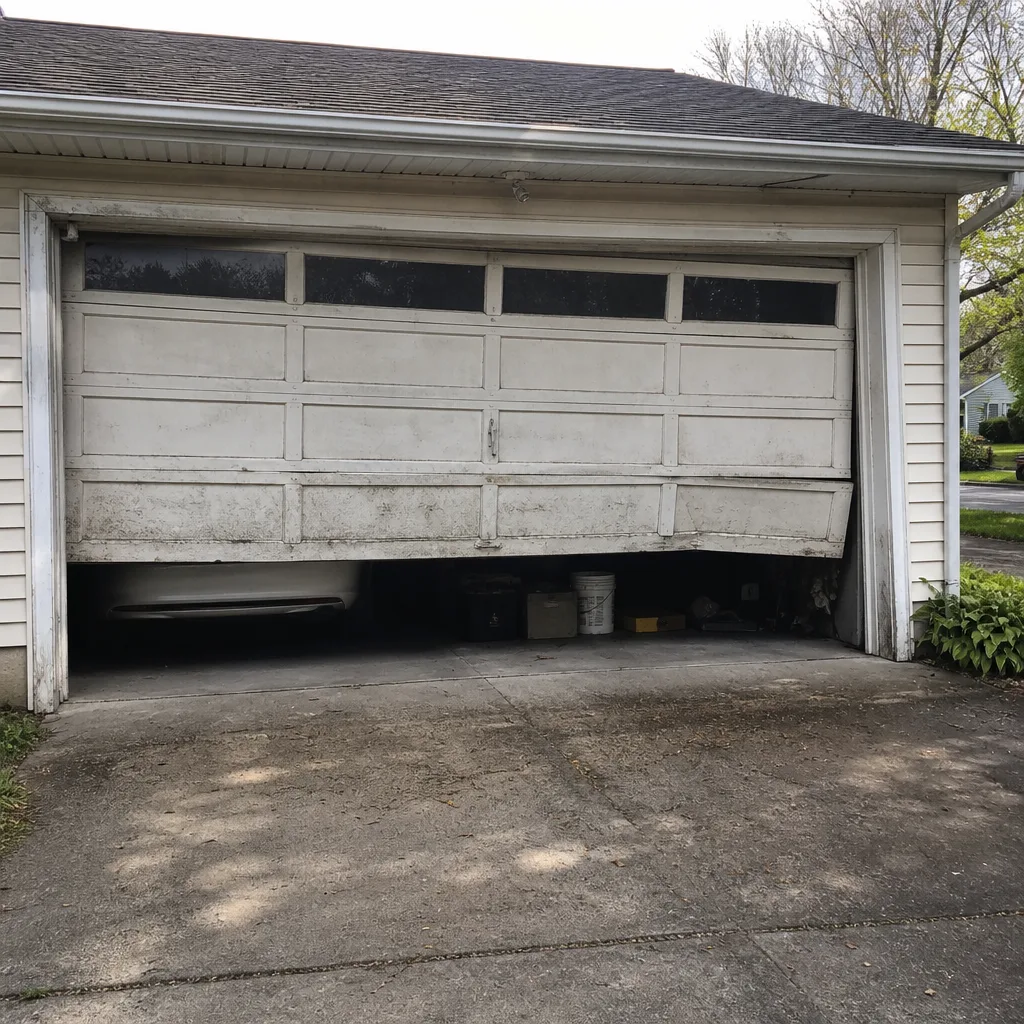 Before
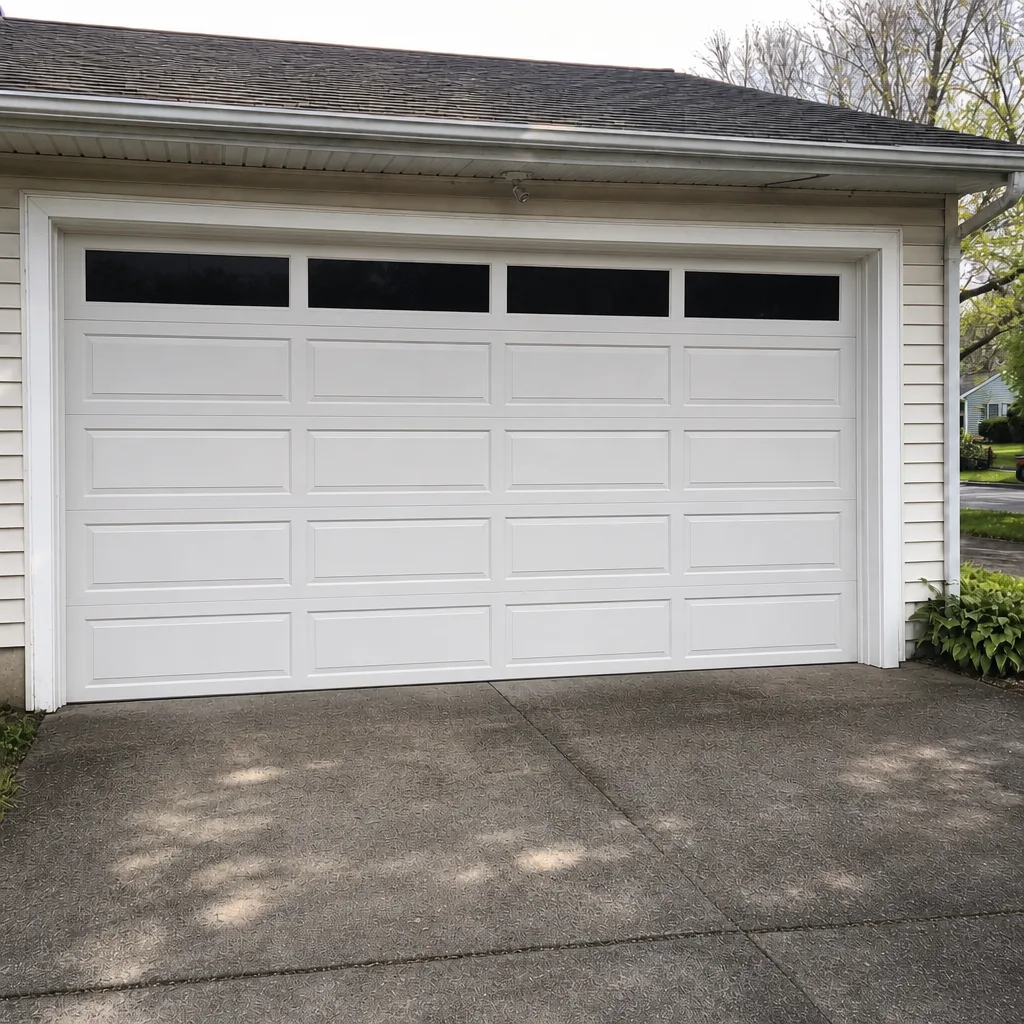 After
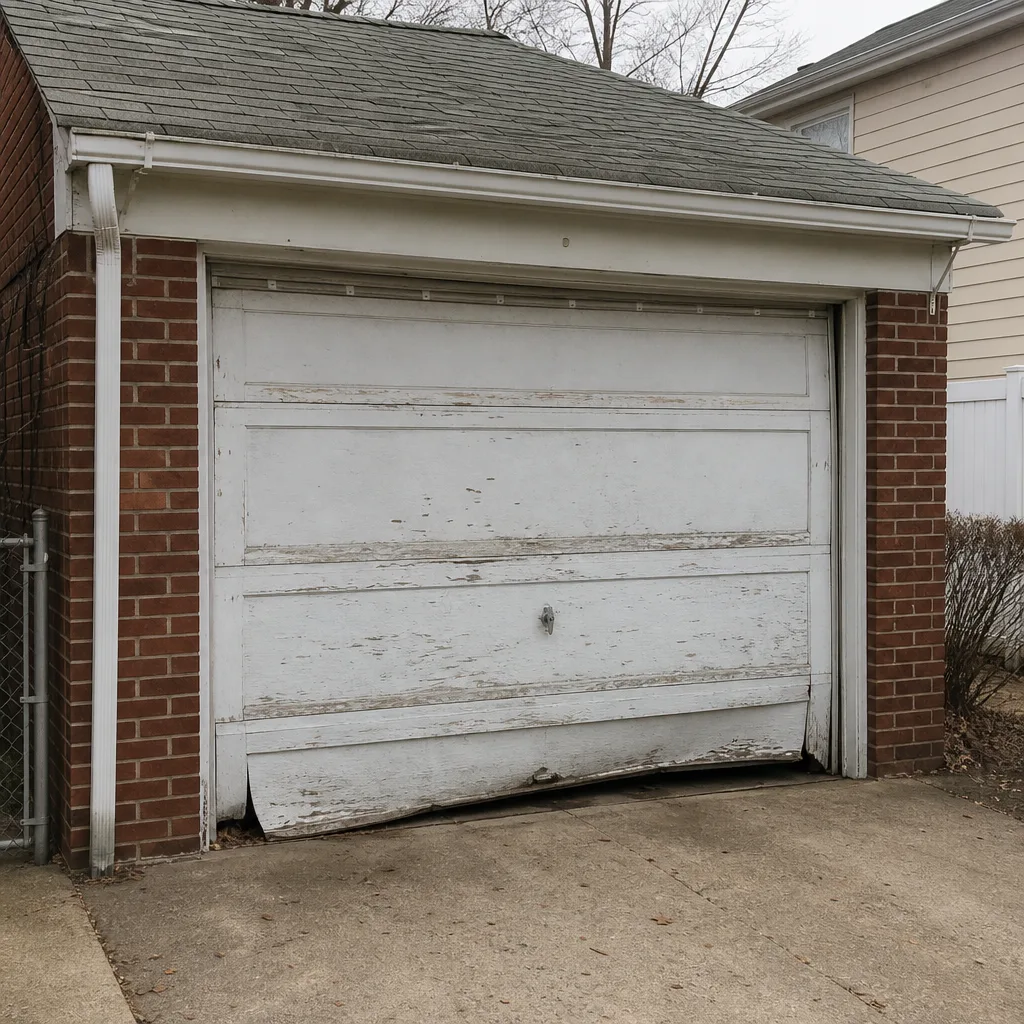 Before
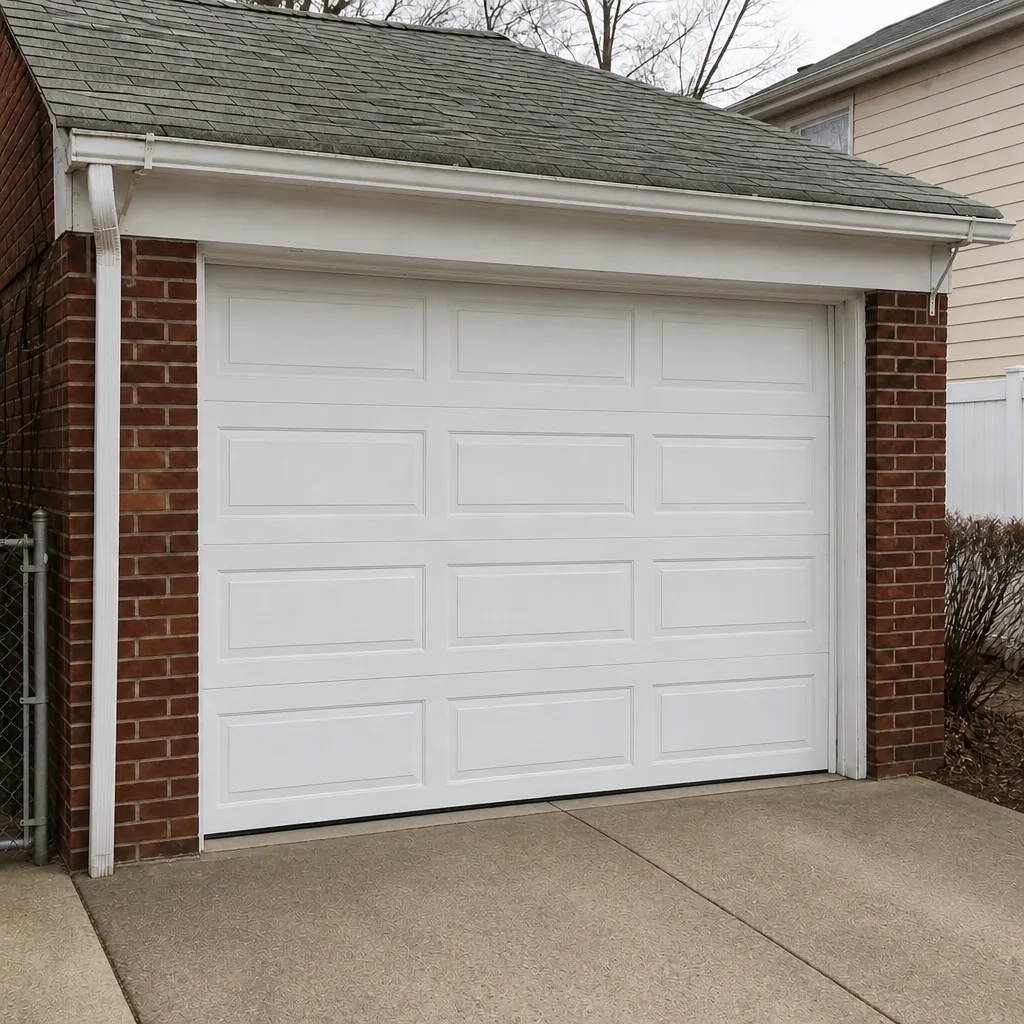 After
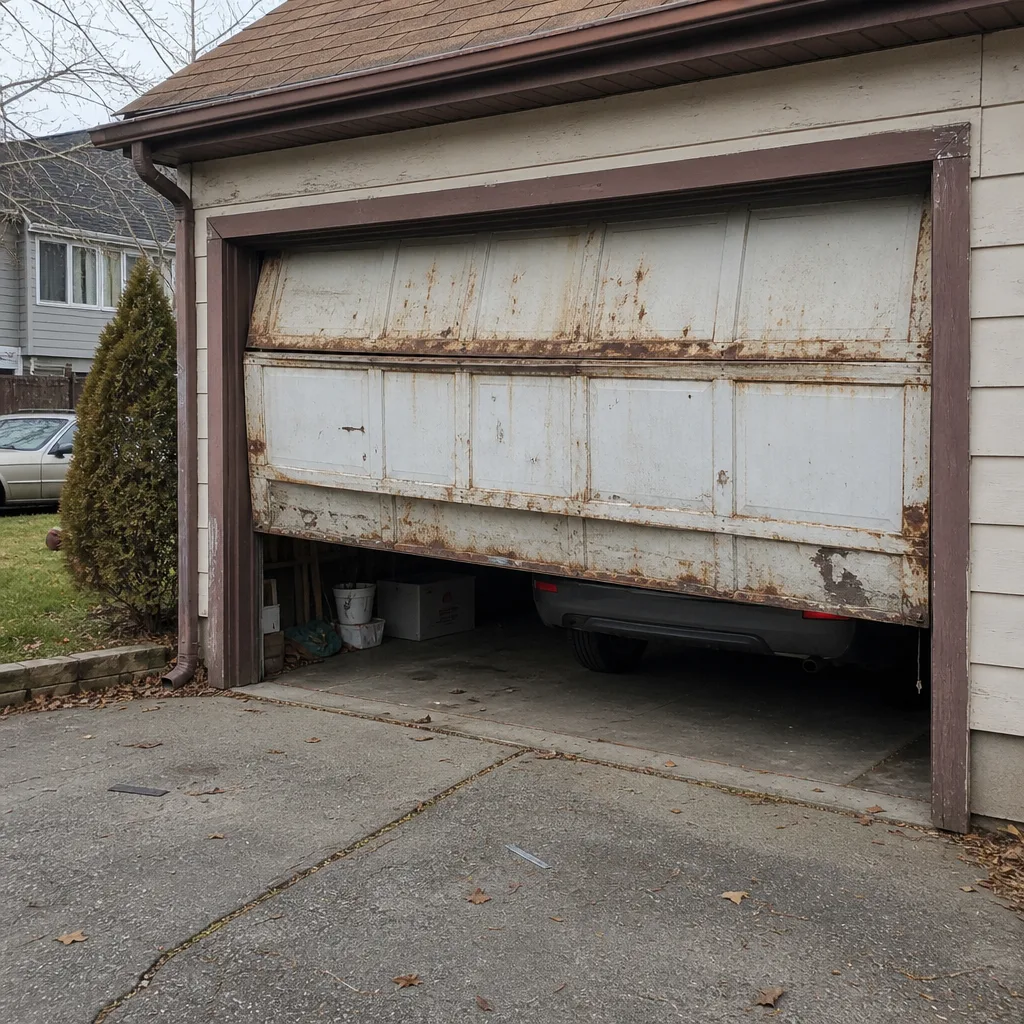 Before
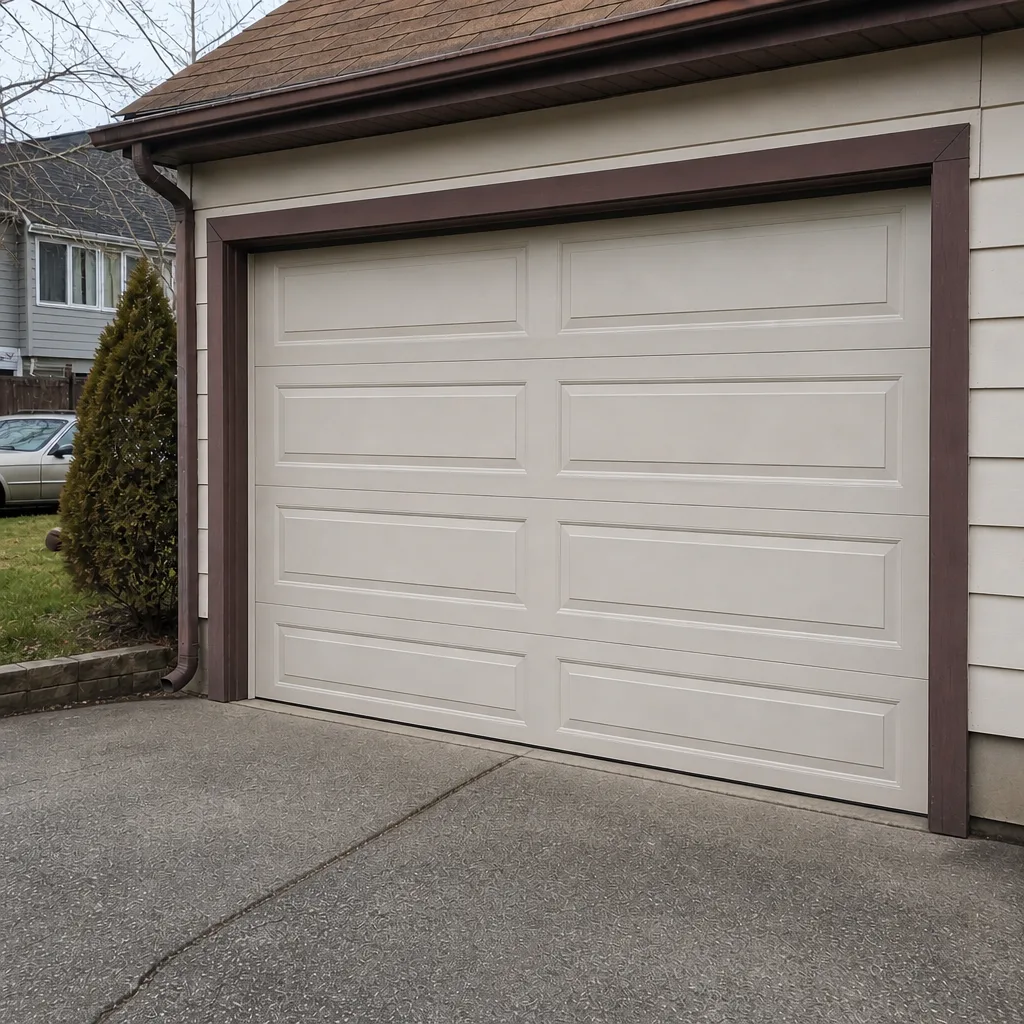 After