Last updated November 23, 2026
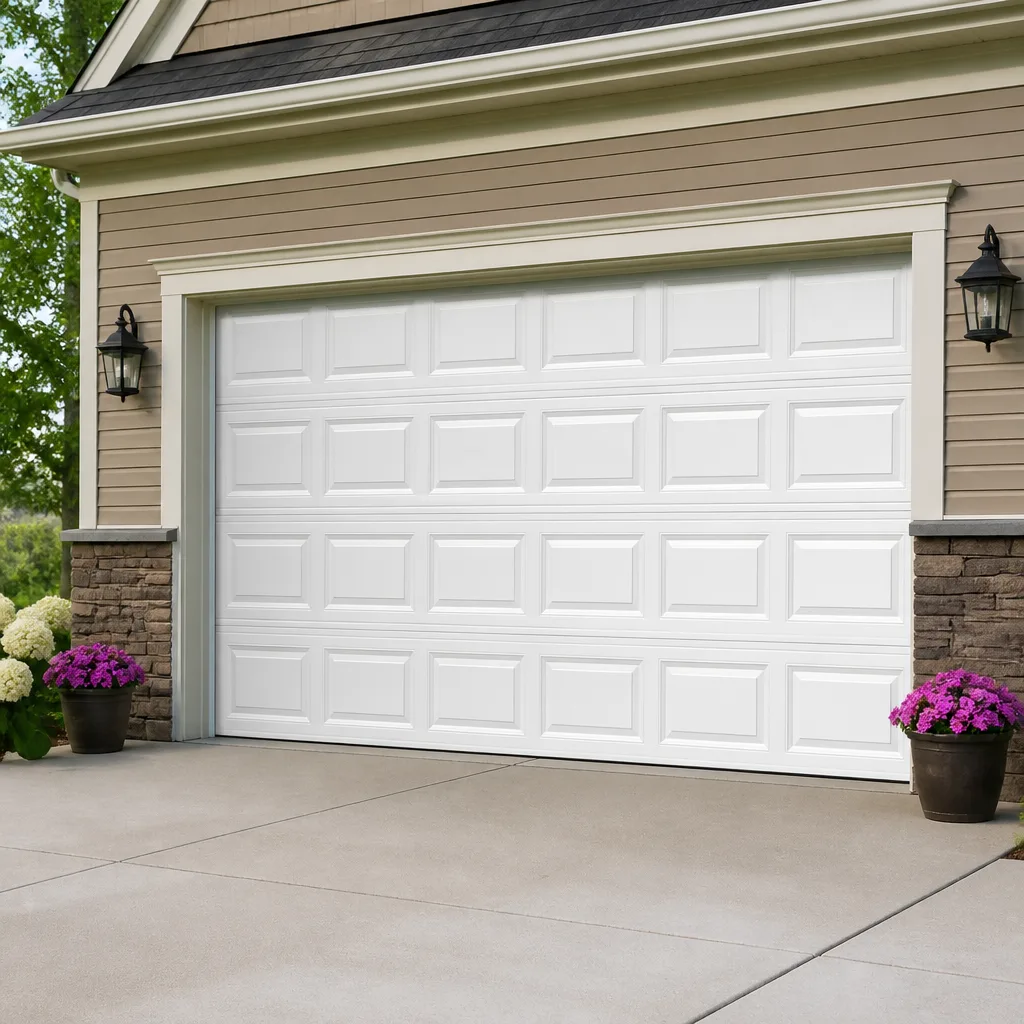 Raised-panel steel
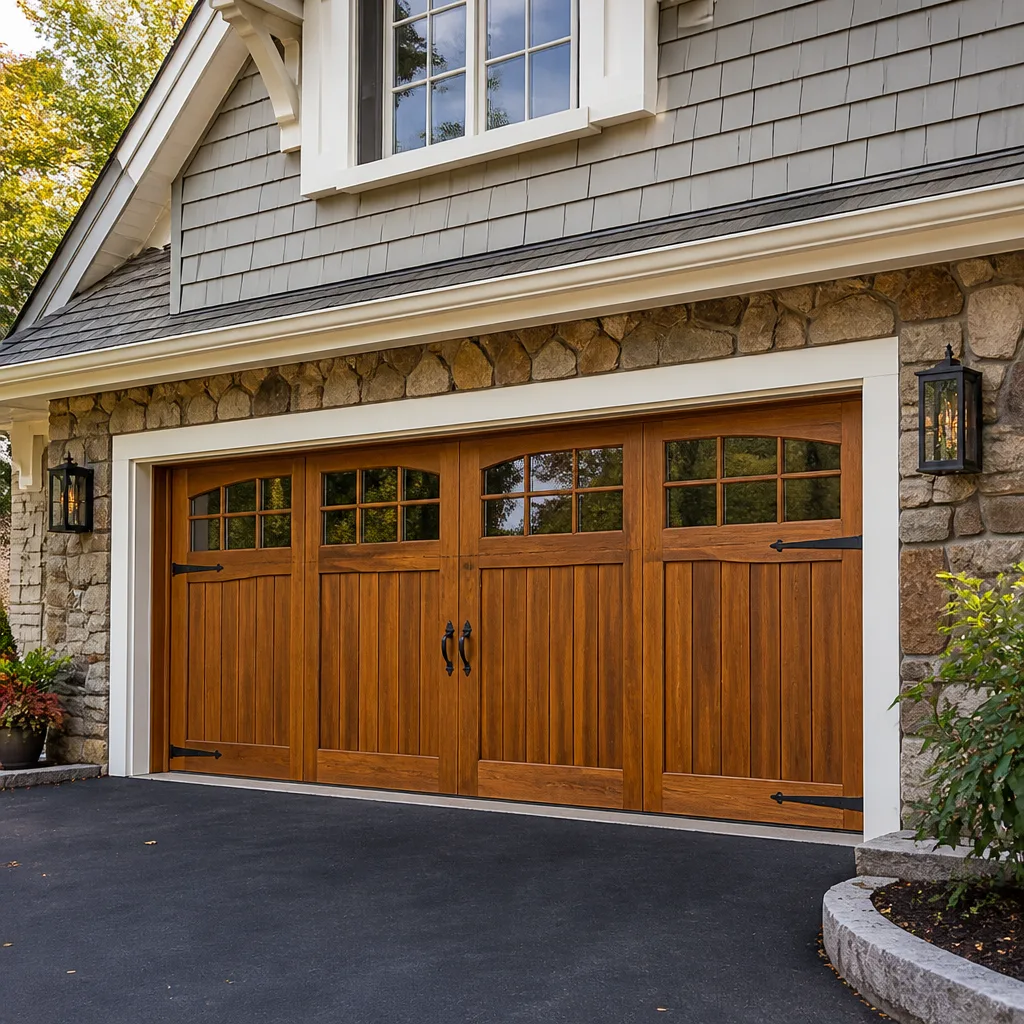 Carriage house
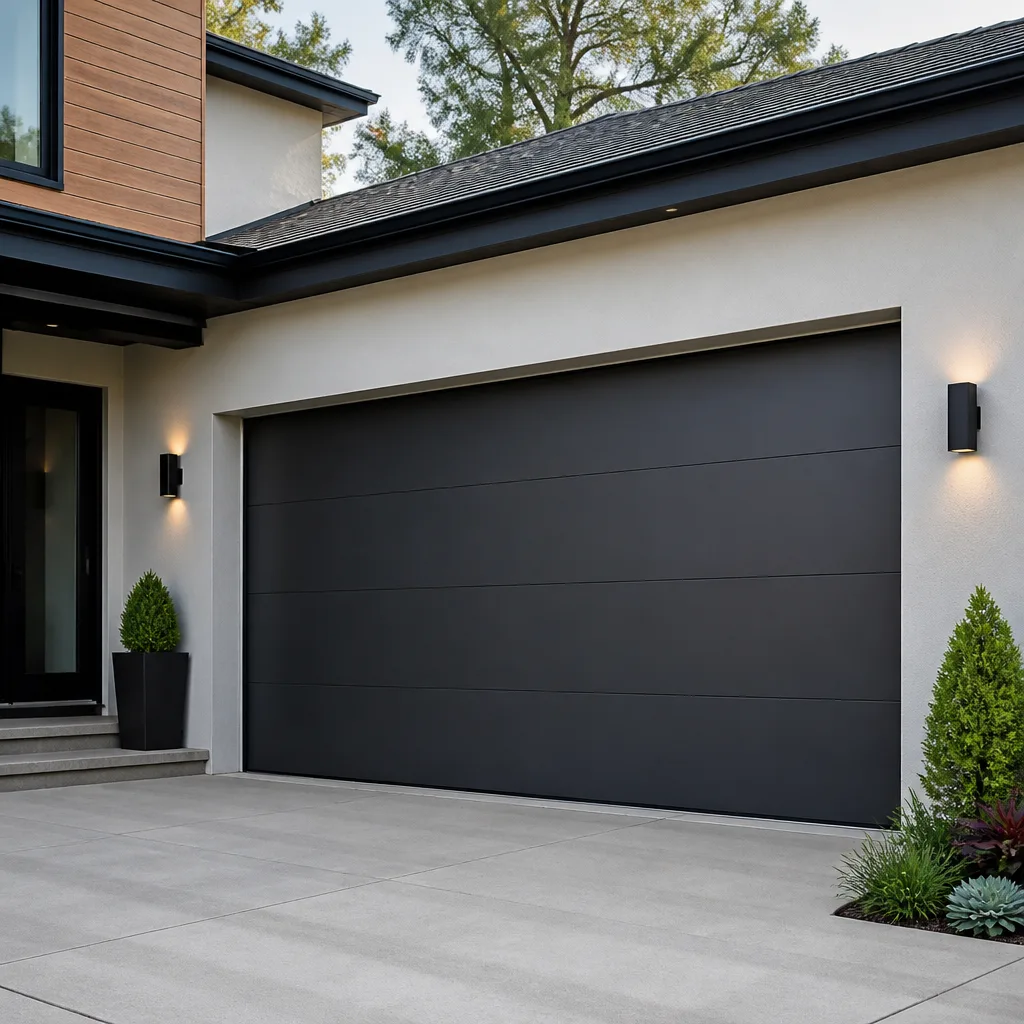 Modern flush
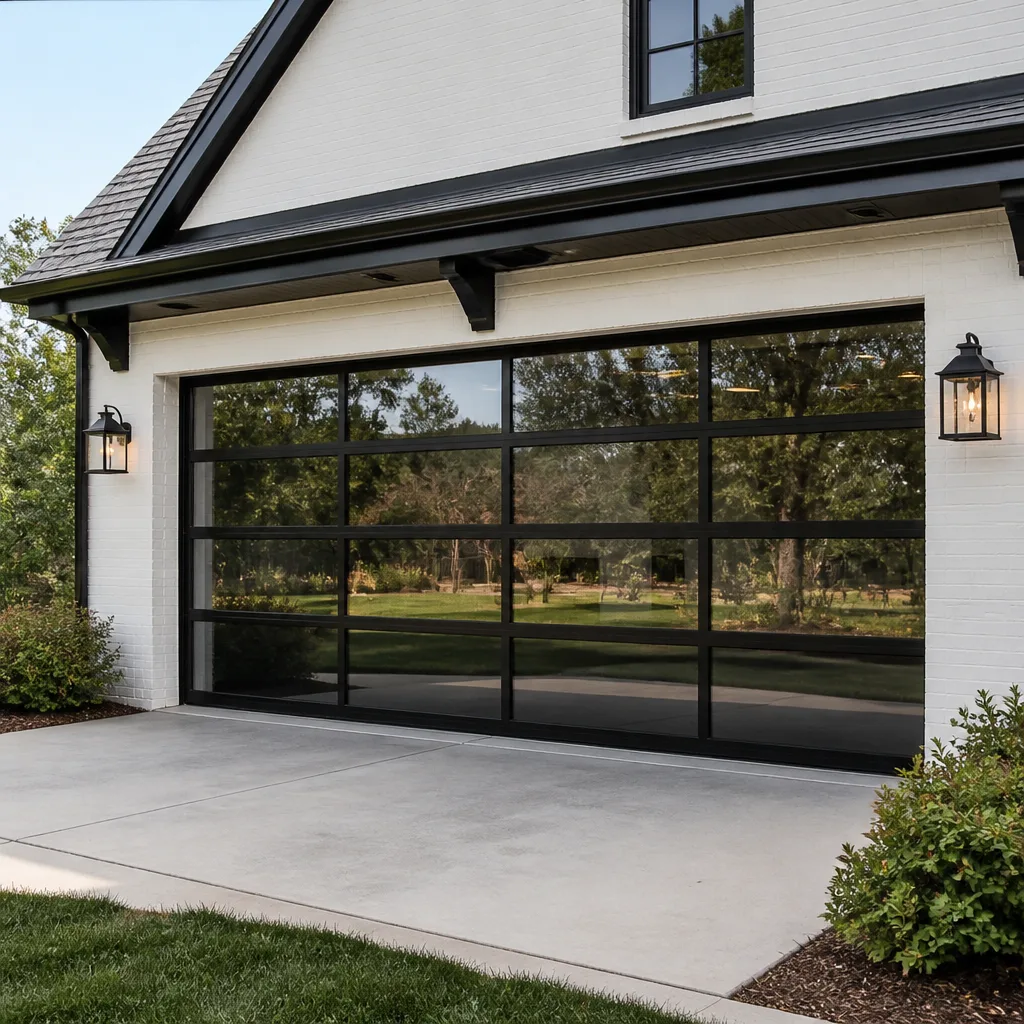 Full-view glass
 LiftMaster openers
 Chamberlain openers
Full 25-point door and opener safety check with every visit - springs, cables, rollers, tracks, and your LiftMaster or Chamberlain opener included
You get a price before we start. It does not change when the pro arrives.
Get your free estimateGarage Door Warning Signs: A The Heights Homeowner’s Reference Guide
A garage door that reverses before it reaches the ground is not always a safety-sensor problem. In the colder months around The Heights, temperature swings are the more common culprit: the opener’s force sensitivity drifts as the metal contracts, and the door reads resistance that isn’t really there. Homeowners who assume “bad sensor” and start adjusting things by hand often waste a service call, or make the real issue worse. What follows is a working reference for The Heights homeowners who want to make a clear-eyed decision about their door. We’ll sort warning signs into urgency tiers, decode what each sound actually implicates, and show you how to look without touching. Mention The Heights once: this guide is written for doors in this climate and this housing stock.
Quick Answer
A garage door warning sign is anything that changes how the door moves, sounds, or sits in its frame, and the right response depends on which sign you’re seeing. Signs that involve a snapped spring, a frayed or hanging cable, a door that won’t stay up, or an opener that runs with no movement are stop-now problems. Grinding, squealing, slow response, and a door that reverses on its own are usually schedule-within-a-week issues. A single noisy roller or a slightly uneven panel can be monitored and logged. The point of sorting them is simple: don’t panic, and don’t wait so long that a repair turns into a replacement.
Styles & brands we work with
- Raised-panel steel
- Carriage house
- Modern flush
- Full-view glass
- LiftMaster openers
- Chamberlain openers
Table of Contents
The Three-Tier Urgency System
Most warning-sign guides leave you with a list of symptoms and no way to weigh them. The tiers below are how we actually triage calls, and they’re the backbone of this whole guide. If you remember one thing, make it this sorting order.
Tier 1: Stop Using the Door Now
These are the signs that put people and property at risk. Stop running the door and wait for a technician.
- A broken spring. If the door won’t lift, or lifts only with a heavy shove, a spring has likely snapped. The door can come down hard and fast.
- A cable that’s loose, kinked, frayed, or hanging off a drum. A failing cable can whip and cause serious injury.
- A door that won’t stay open, or closes partway and drops. This is a balance failure, usually spring-related.
- The opener runs but the door doesn’t move. Something in the drive or balance system has failed and forcing it can damage more.
- Bent or separated track, or a door visibly off its tracks. Operating it can bring the whole door down.
Tier 2: Schedule Within 7 Days
These signs won’t hurt anyone today, but they wear fast. Left longer, a small fix becomes a bigger one.
- Grinding, squealing, or scraping on the way up or down.
- A door that reverses on its own, or won’t close on the first try.
- Slow, jerky, or uneven movement.
- The opener straining, humming without clean travel, or stopping halfway.
- A remote or wall button that only works up close, or takes repeated presses.
Tier 3: Monitor and Log
These are the signs worth noting in a note on your phone, then watching over a couple of weeks.
- A single noisy roller or hinge, while the rest of the door is quiet.
- One panel sitting slightly out of line with the others.
- A faint rattle at the top of travel that comes and goes with the weather.
- A temperature-related reversal that only happens on cold mornings and corrects itself by afternoon.
Log the date each time a tier-three sign appears. If you see the same note three times in a month, it’s moved up to tier two. That pattern is exactly the kind of observation that saves you a diagnostic fee, and it’s why we ask The Heights homeowners to keep a log before they call.
What Each Sound Tells You
“Grinding means a bad door” is useless advice. The specific sound a door makes points to a specific component, and matching the two is half of diagnosis. Here’s the mapping we work from.
- Grinding, low and rough on the way up: Look to rollers or a dry hinge, or a track with debris in it. If it’s metal-on-metal and constant, a roller bearing has failed.
- Squealing, high-pitched and shrill: Usually a dry torsion spring or a worn roller. It’s the friction noise of unlubricated metal, and it’s often the earliest warning you’ll get.
- A sharp snap or crack, once: A torsion spring letting go, most often in cold weather. Tier one.
- Banging or popping during travel: Loose or worn hinges, or a panel that’s working loose from its stiles.
- A thud as the door starts down: The opener’s force setting is off, or the door is out of balance and dropping under its own weight.
- Humming from the opener with no travel: The motor runs but the drive train or the balance is stuck. Tier one if the door won’t move at all.
- A rattle or buzz from the opener housing: Often a loose light cover or a worn drive gear inside the unit, common on older LiftMaster and Craftsman openers we service.
One more caution about sound. If you hear a snap and then the door suddenly gets heavy to lift, don’t test it repeatedly to be sure. That’s a spring, and it’s dangerous.
Visual Warning Signs Most Homeowners Miss
The problems that matter most are usually the ones you can’t hear. Springs, cables, and rollers fail quietly. The trick is knowing what to look at and how to look without putting your hands anywhere near the moving parts.
Springs
Look at the spring above the door, either the torsion spring on the header or the extension springs along the sides if you have them. A healthy spring is a clean coil. A failing one usually shows one of these:
- A visible gap in the coil, or a stretch where the wire has unwound.
- Rust or dark oxidation along a section of the coil.
- A torsion spring that’s sagging or skewed on its shaft.
- Extension springs with a stretched or warped look, or a cable running through them that’s loose.
Cables
Cables run from the bottom corners of the door to the drums at the top. Look up along their length from a distance. A healthy cable is straight and taut. Fraying, kinking, a cable that’s jumped off the drum, or one hanging slack all need a technician. Never try to reseat a cable. It’s under serious tension and can whip.
Rollers and Hinges
Rollers sit in the track and carry the door. A cracked or flat-spotted roller, or one that’s come loose from the hinge, shows up as a wobble in the track. Hinges should sit flush. Loose, bent, or badly worn hinges are common on doors we see in The Heights, where older wood doors have had years of freeze-thaw cycles pushing on every joint.
The Frame and Tracks
Look for daylight between the door and the frame when the door is closed. A gap at one edge, a track that’s bent or pulling away from the wall, or a header that’s sagging all point to a structural issue that no amount of lubrication fixes.
Isolated Failure or End of Life?
This is the decision that actually matters to your wallet. A single bad roller is a repair. A door that’s gone through a spring, a set of rollers, and a bent track in a short stretch is telling you something else: the whole system is aging out. Here’s how to tell the difference.
Signs of an isolated failure:
- One worn component with the rest of the system in visibly good shape.
- Uniform travel except at one specific spot.
- A door that balances correctly when lifted by hand (with the opener disconnected, and only if you can safely do it).
Signs the system is nearing end of life:
- Multiple failures within a season: a spring this winter, a cable next, a roller the next.
- Uneven wear across rollers and hinges, not a single bad part.
- Panels that have warped or cracked in a way that keeps throwing the door off track.
- An opener that’s straining to lift a properly balanced door, which points to a motor at the end of its life.
When the second list matches your door, patching it one component at a time usually costs more over a year or two than a planned replacement. That’s the point where a garage door installation makes financial sense, and where a specialist can give you an honest read on repair versus replace.
Why Your Door Reverses Before the Ground
A door that reverses a few inches before it reaches the ground is the most misdiagnosed warning sign on this list. Homeowners almost always blame the safety sensors. Sometimes that’s right. In The Heights, though, the answer is often different, and it costs people a wasted service call.
Here’s what’s actually happening. The opener sets its travel by sensing force, and that force threshold drifts as the temperature moves. Cold metal resists a little more; the opener reads that resistance as “obstacle,” and the door backs up. On a cold morning this looks identical to a sensor problem. The giveaway:
- It only happens on cold days, or first thing in the morning.
- The door closes fine later in the day when it’s warmed up.
- The safety sensors are clean and their indicator lights are on.
If all three are true, the sensors are fine and the opener needs a force and travel recalibration. That’s a technician adjustment, not a sensor replacement. If the sensors’ lights are off or blinking, or the door reverses even on warm afternoons, then the sensors are the place to start. Getting this one distinction right is the difference between one service call and three.
See the difference
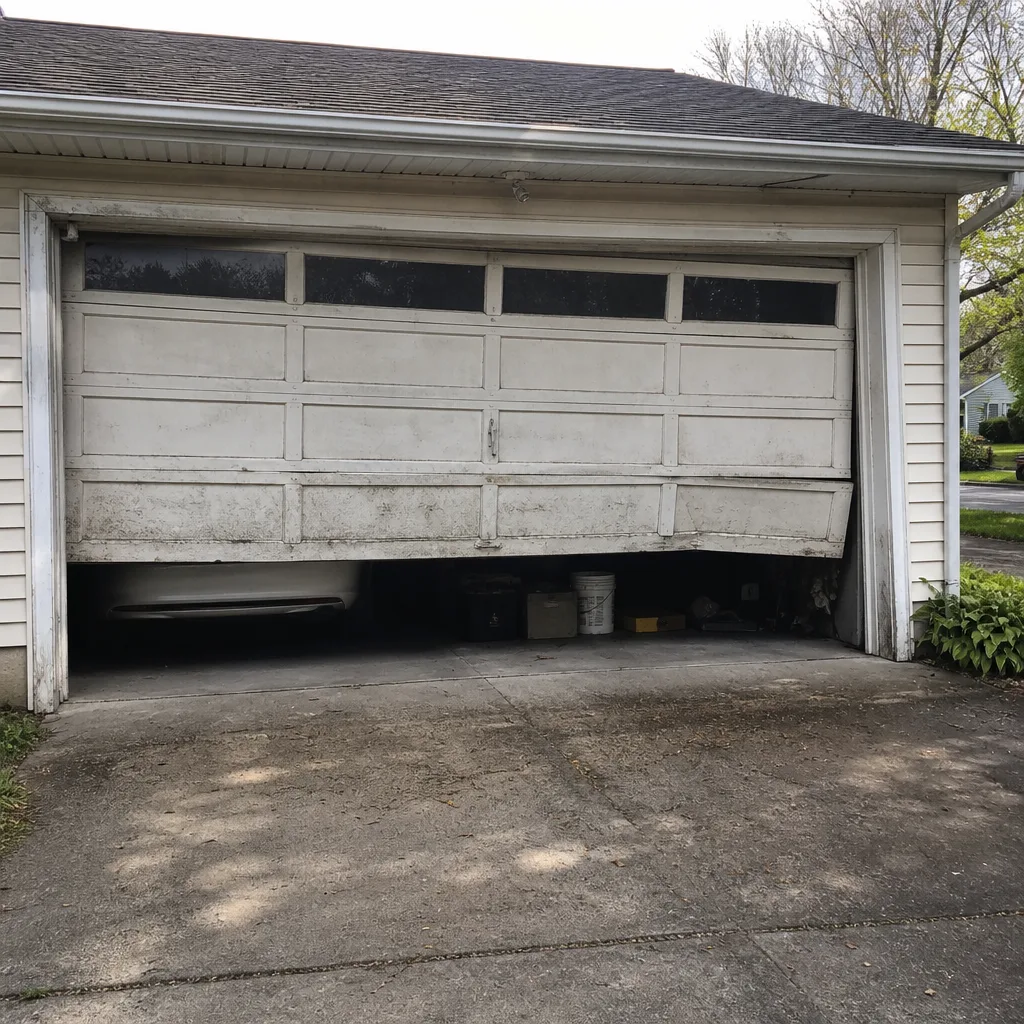 Before
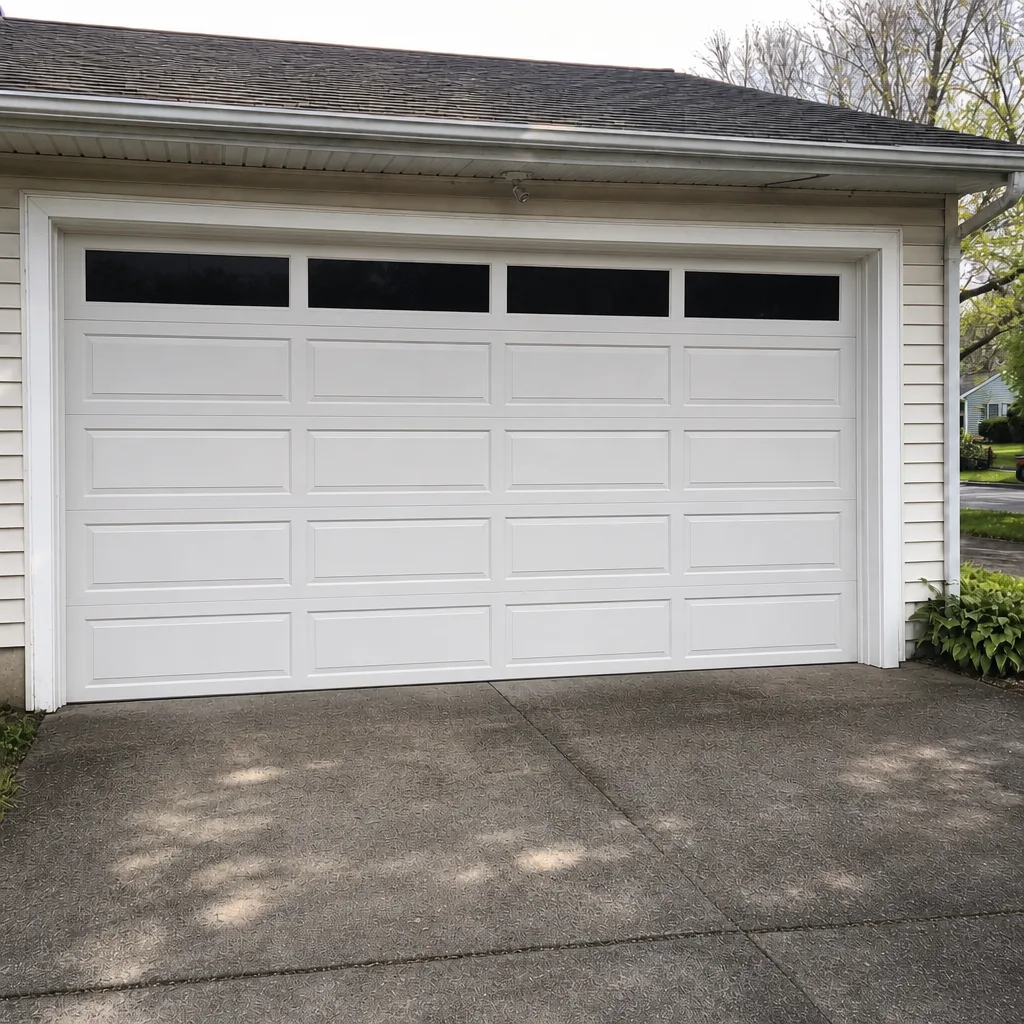 After
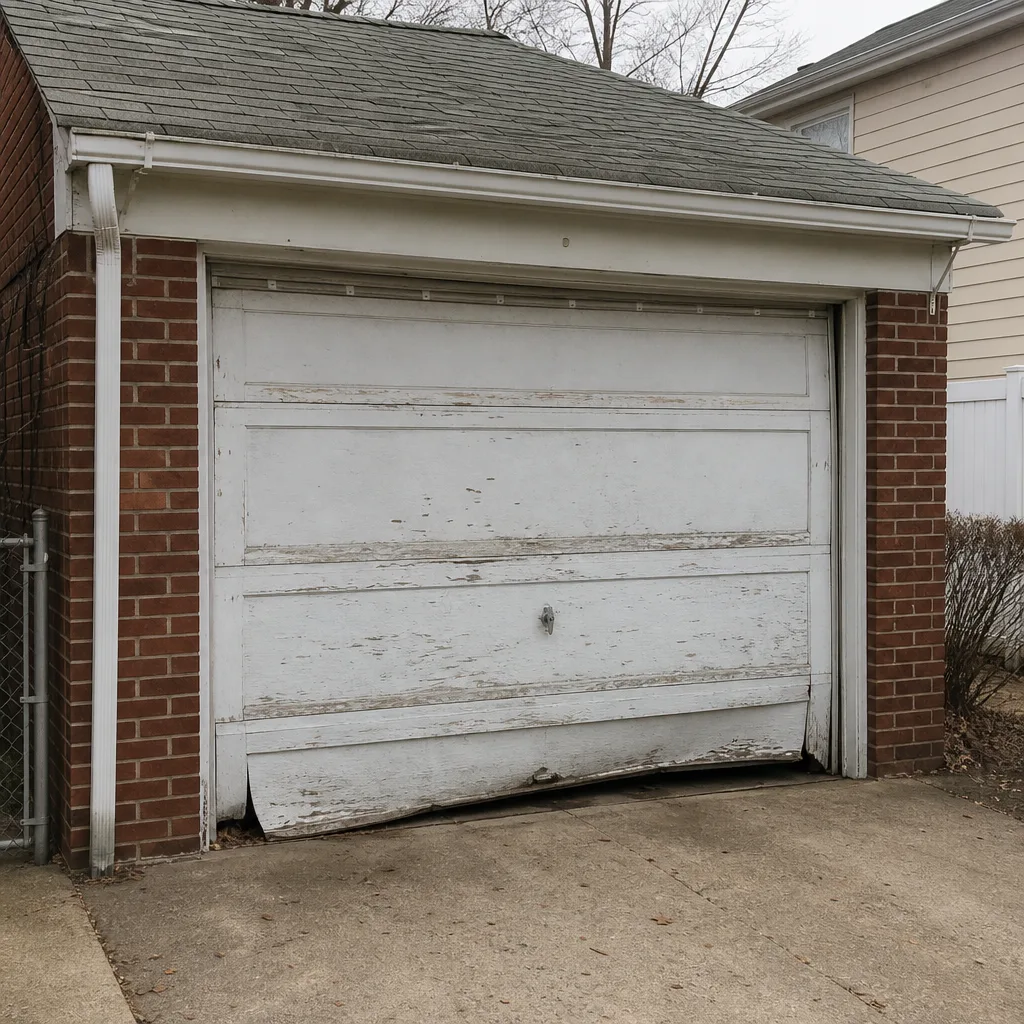 Before
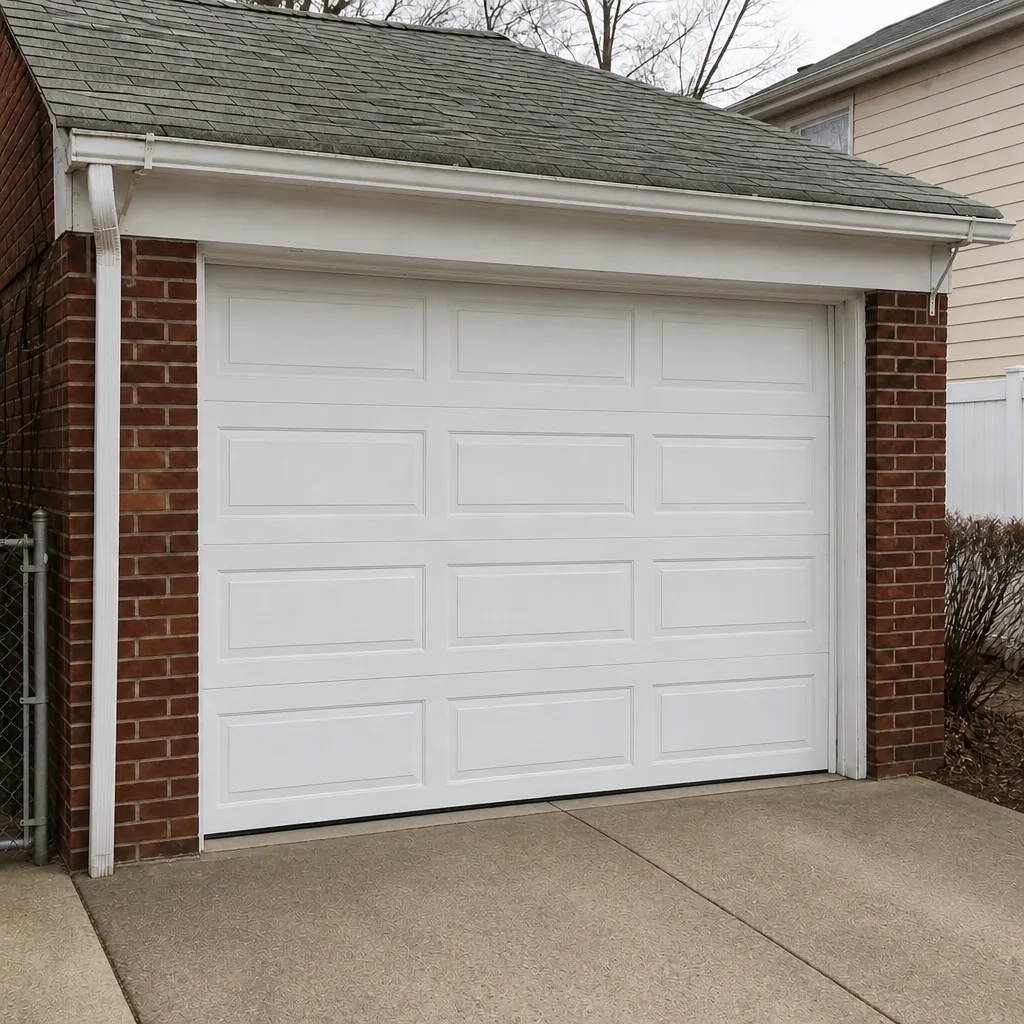 After
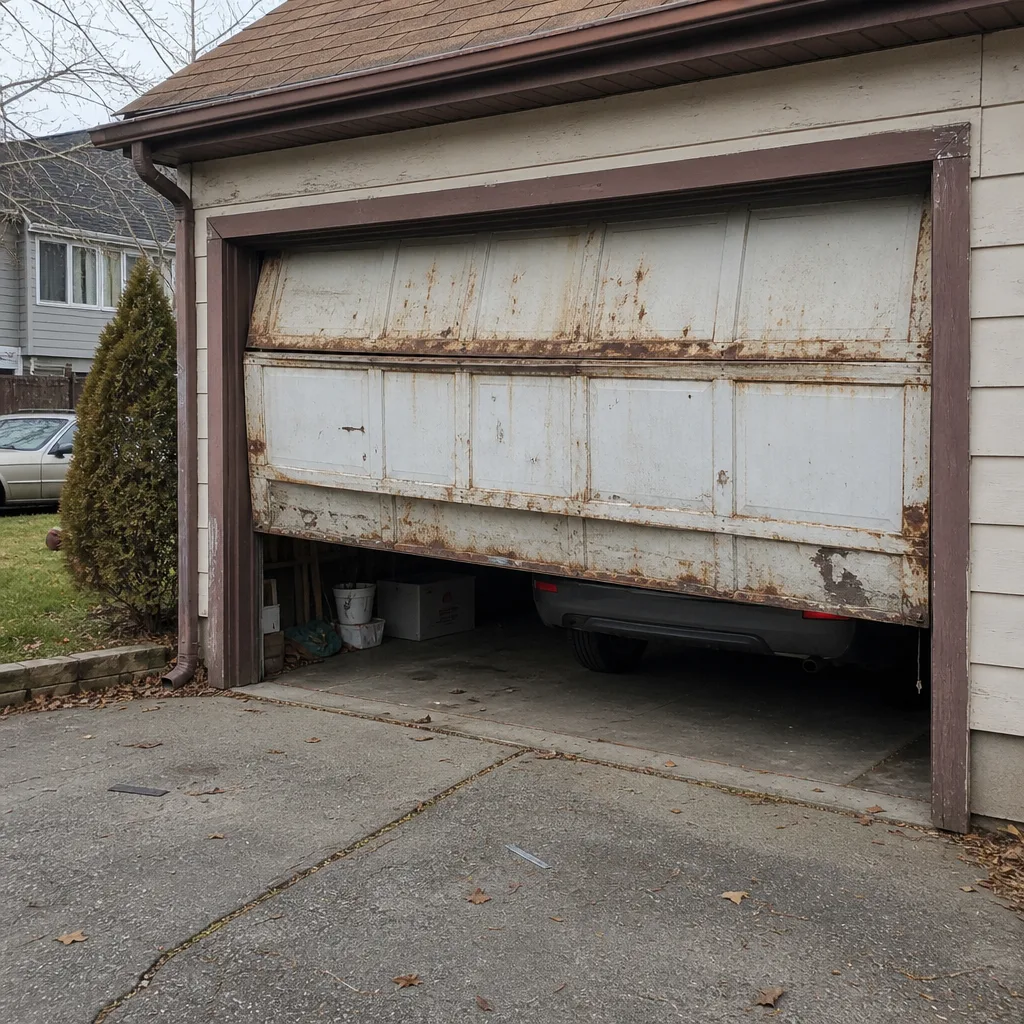 Before
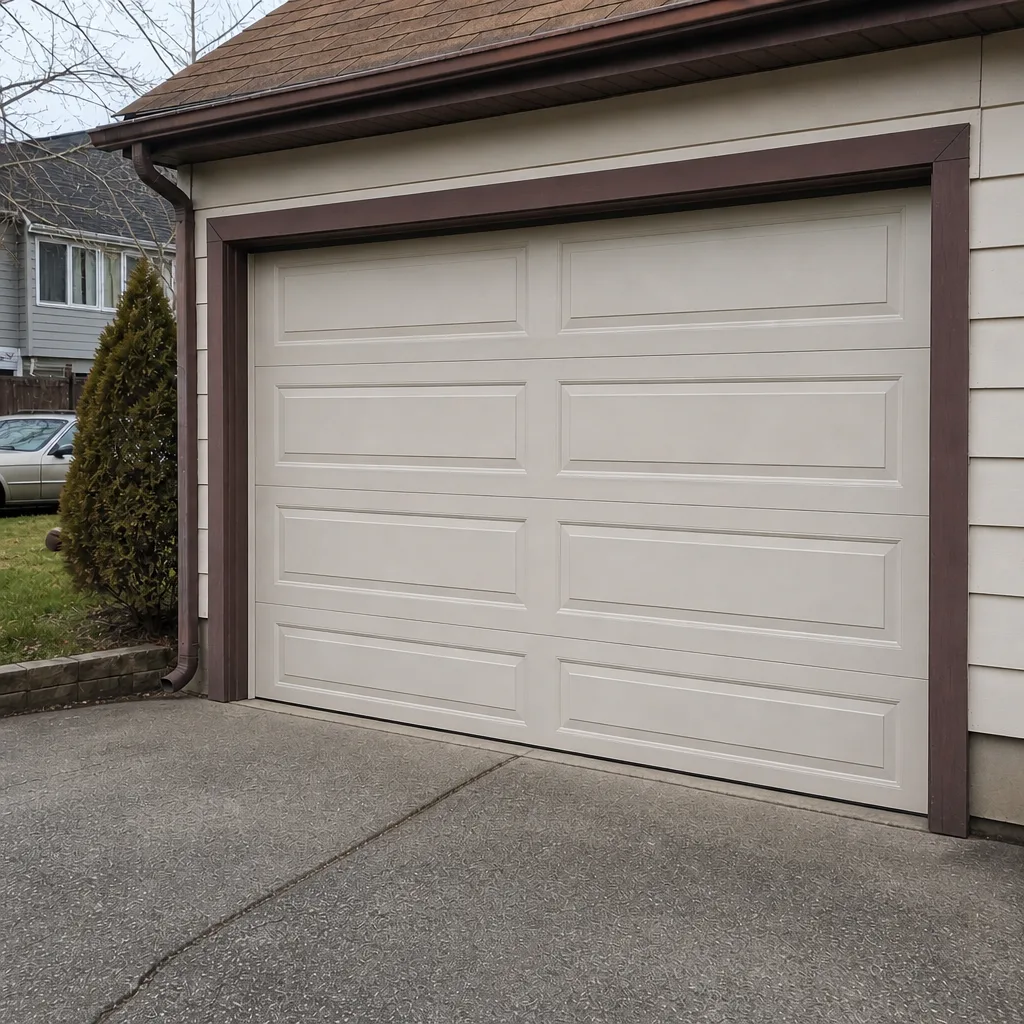 After
How to Inspect Safely Without Touching
You can learn a lot about your door without putting a hand near any moving part. The sequence below is safe for any homeowner. For anything beyond it, stop and get a trained professional. Garage doors carry springs and cables under enormous tension; serious injuries happen when people try to work on them, and no DIY shortcut is worth that risk.
- Do a visual pass with the door closed. Look at the springs, cables, rollers, hinges, and tracks from a distance. Note anything bent, frayed, rusted, or loose. Don’t touch.
- Watch a full open and close cycle from the side. Stand clear of the door’s path and watch for jerks, uneven travel, reversing, or scraping. Listen to where in the cycle the sound happens.
- Test the balance from outside the door’s travel path. Disconnect the opener (pull the release cord) only if you’re sure how to reconnect it, then lift the door partway by hand and let it go. A balanced door stays put. One that drops has a balance problem, tier one, and you should reconnect and stop using it.
- Test the safety reversal. Place a piece of wood or a tube in the door’s path and close it. The door should reverse. If it doesn’t, the sensors need service.
- Write down what you saw. Date, time of day, temperature, and what the door did. This log is going to be the most useful thing you bring to the call.
What to Tell Your Technician
The five minutes you spend on the phone can cut diagnostic time and prevent a misquote. Technicians aren’t mind readers, and the difference between “sometimes it doesn’t close” and “it reverses six inches from the floor on cold mornings when the sensors are green” is the difference between a guess and a plan.
Have these answers ready:
- What the door does, in one sentence. “It reverses before the ground” beats “it’s acting weird.”
- When it happens. Every time, on cold days, after rain, only on the way down.
- What you’ve already checked or changed. Sensors cleaned, remote batteries swapped, force setting adjusted, and so on.
- The door’s make, if you know it. Clopay, Amarr, and Wayne Dalton are common here, and knowing the brand and model helps us come prepared.
- The opener’s make and model, taken from the label on the motor housing.
- What you heard, if there was a snap or a bang, and where it came from.
- Your log, if you kept one.
Any specialist worth calling will ask you these anyway. Being fluent in the trade’s major brands, from Chamberlain and Genie openers to Clopay and Amarr doors, lets us turn that information into a diagnosis before we arrive and a written estimate you can trust. It’s also why The Heights Garage Door Repair asks for the make and model up front: it’s how we avoid the second visit that fixes what the first one missed.
Common Mistakes to Avoid
- Assuming every reversal is a sensor problem. In The Heights winters, temperature-driven force drift is the more likely cause on cold mornings, and adjusting the sensors won’t fix it.
- Forcing a door that won’t move. If a spring has snapped or a cable is loose, pushing the door can turn a repair into an injury or a full replacement. Stop and call.
- Trying to adjust the springs yourself. Torsion and extension springs are under extreme tension. This is the single most dangerous garage door repair there is, and it’s not a homeowner job.
- Lubricating everything to silence a noise. Greasing a failing roller or a dry torsion spring can hide the symptom without fixing the cause. Worse, the wrong lubricant attracts grit and wears parts faster.
- Replacing a single failing part when the system is aging out. Watching one component after another fail over a season is a sign the door is at the end of its life, not a run of bad luck.
- Calling with “it’s broken” and nothing else. Vague symptoms lead to vague quotes. The observations on the list above turn a guess into a plan.
- Ignoring a slightly noisy door for months. A single noisy roller can become a worn track, a bent panel, or a damaged opener if it’s left long enough.
When to Call a Professional
Call a professional the moment any tier-one sign shows up: a snapped spring, a loose or frayed cable, a door that won’t stay up, a door off its tracks, or an opener that runs with no movement. These are the situations where touching the wrong part can hurt you or someone in your home. For a tier-two sign, like grinding or a door that won’t close cleanly, book a service call within the week so a small repair doesn’t spiral into a bigger one. And for a door that reverses unpredictably, a faulty safety sensor, or an opener that stops partway, don’t keep resetting it and hoping. An opener that keeps reversing or a door that won’t close when you’re leaving leaves your home open.
If your door isn’t working at all, our emergency garage door service exists for exactly that. The Heights Garage Door Repair offers free estimates in The Heights, and every price is quoted and agreed before any work starts. Call (844) 325-8504 when your door won’t move, and the right fix can be back in working order today. Our technicians have up to 14 years of experience, and we’re fluent in the brands your door was most likely built with.
Frequently Asked Questions
The most serious signs are a snapped or sagging torsion spring, a frayed or loose cable, a door that won’t stay open, and a door visibly off its tracks. These are all stop-using-the-door-now issues, and they need a trained technician rather than a homeowner attempting a fix. If your door shows any of them, call (844) 325-8504 and don’t operate the door until it’s been checked.
A door that reverses before the ground is often a force-sensitivity calibration drift, not a sensor problem, especially on cold mornings in The Heights. If it only happens when it’s cold and the sensor lights are green, the opener likely needs a force and travel adjustment. If the sensors’ lights are off or blinking, or it happens on warm days too, the sensors are the place to start.
Sometimes, but a noise is a symptom, not a diagnosis. Grinding usually points to worn rollers or a dry hinge, while a high-pitched squeal can be a dry torsion spring or a worn roller. Adding lubricant can quiet a healthy door, but it can also hide a part that’s already failing. If a noise comes back within a couple of weeks, have it looked at.
Repair when a single component is failing and the rest of the system is in good shape. Replace when you’re seeing multiple failures within a season, uneven wear across rollers and hinges, warped or cracked panels, or an opener straining to lift a balanced door. In that case, a planned replacement usually costs less than patching it piece by piece.
No. Garage door springs are under extreme tension, and this is the most dangerous repair in the trade. A trained technician handles it with the right tools and knowledge, and no homeowner shortcut is worth the injury risk. That’s why spring repair is one of our named specialties. Call (844) 325-8504 for a free estimate.
The local professionals we connect you with are licensed and insured as their state requires. We’ll tell you who’s coming and what to expect, and every price is quoted and agreed before any work starts so there’s no surprise on the invoice. Call (844) 325-8504 for an exact quote. Estimates are free.
The written estimate sets the price. We diagnose the door, explain what’s wrong, and agree on the cost before any work begins, so the number you say yes to is the number you pay. If something unexpected turns up mid-job, you’ll hear about it first and decide. Call (844) 325-8504 for a free estimate.
We handle repairs and emergency calls across The Heights, and a door that won’t move is the kind of job we’re set up to get back to working order today when it can be. For a full replacement, the work is measured, ordered, and scheduled, so you’ll get a free measure and a written price. Call (844) 325-8504.
The Bottom Line
Most garage door warnings fall into three tiers, and knowing which tier you’re in is the whole game. A snapped spring, a loose cable, or a door that won’t stay up means stop now and call. Grinding, reversing, or slow response means book within the week before it grows. A single noisy roller or a slight panel line means log it and watch. Name what you hear, note when it happens, and get the opener and door brands ready, because those details turn a guess into a plan. In The Heights, a cold-morning reversal is often force drift, not a bad sensor, and telling the two apart saves you a service call. When it’s time, The Heights Garage Door Repair is here for garage door repair, spring work, garage door opener repair, and full replacements, with a written quote before any work begins.
If a warning sign has you unsure, call us at (844) 325-8504. Estimates are free, and we’ll tell you honestly whether your door needs a repair, a tune-up, or nothing at all.
Written by the team at The Heights Garage Door Repair.