Last updated November 23, 2026
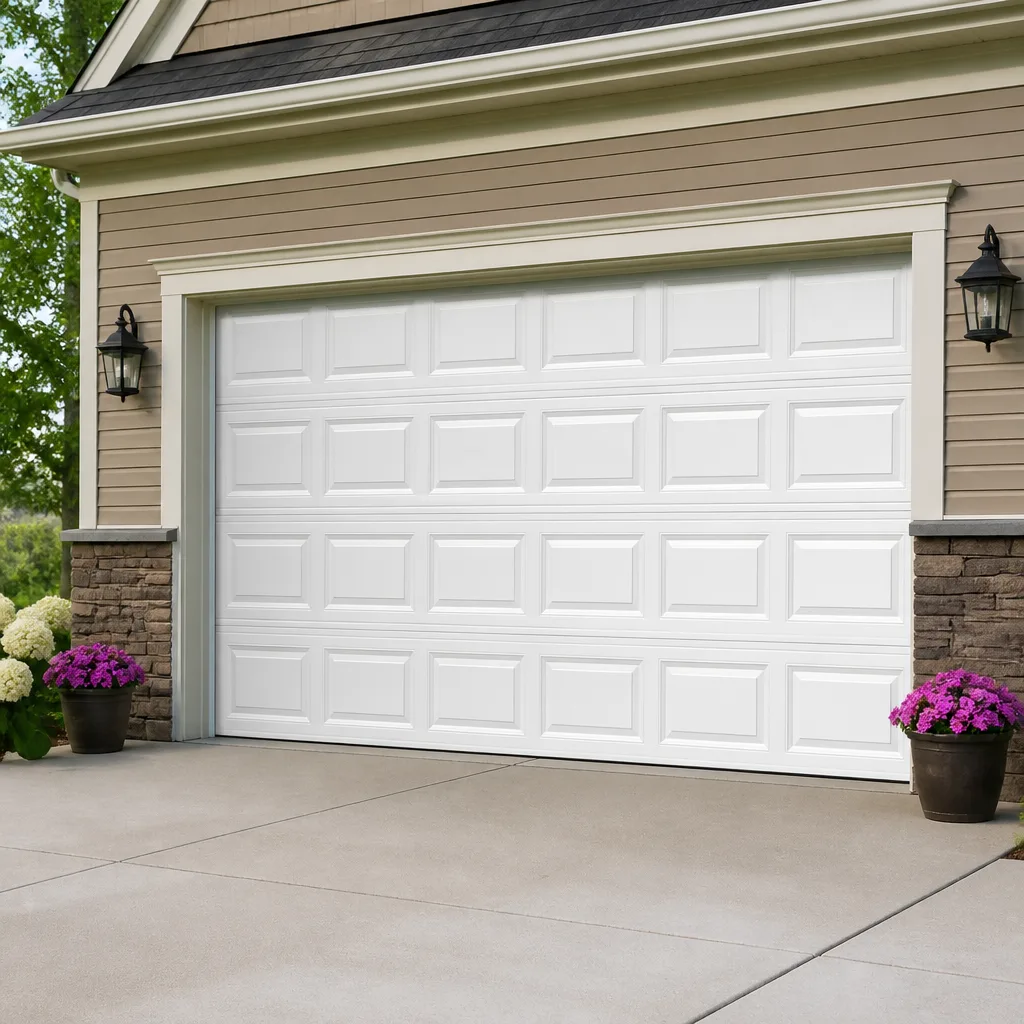 Raised-panel steel
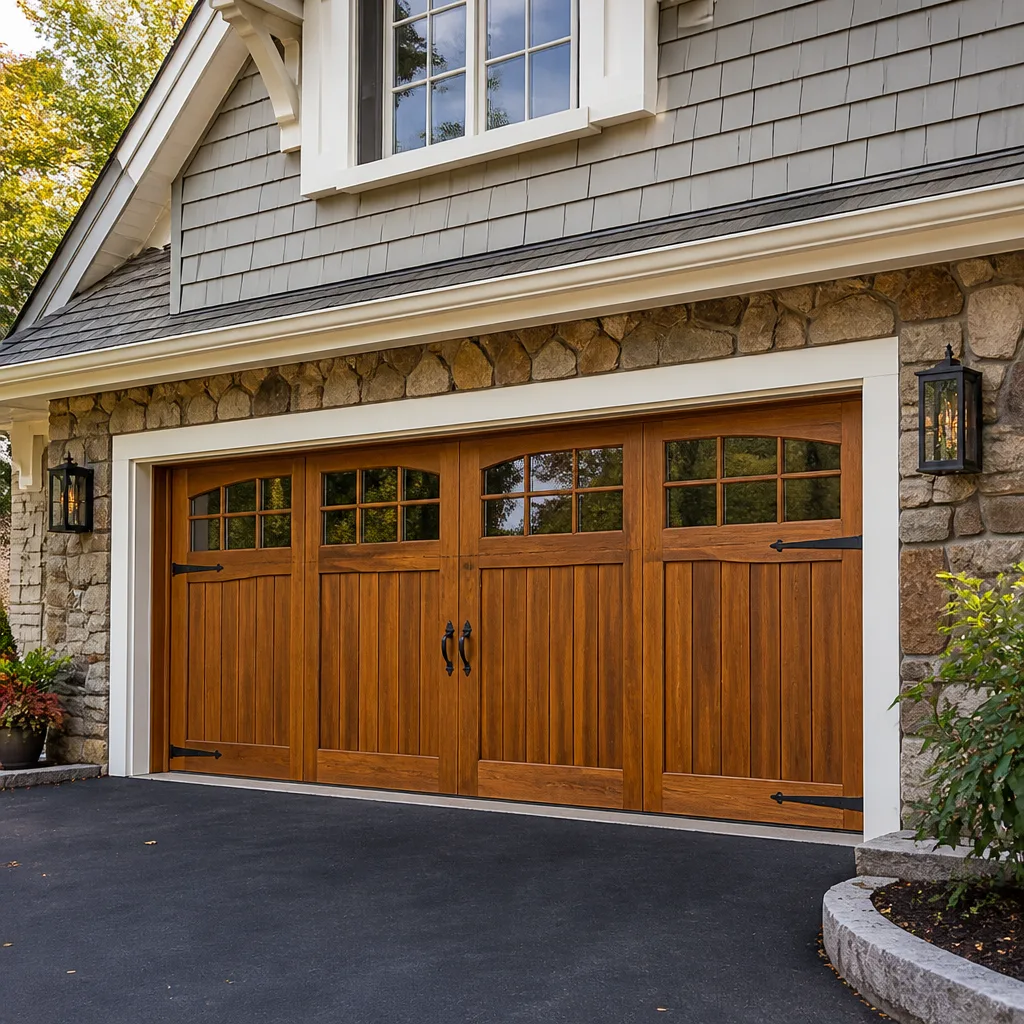 Carriage house
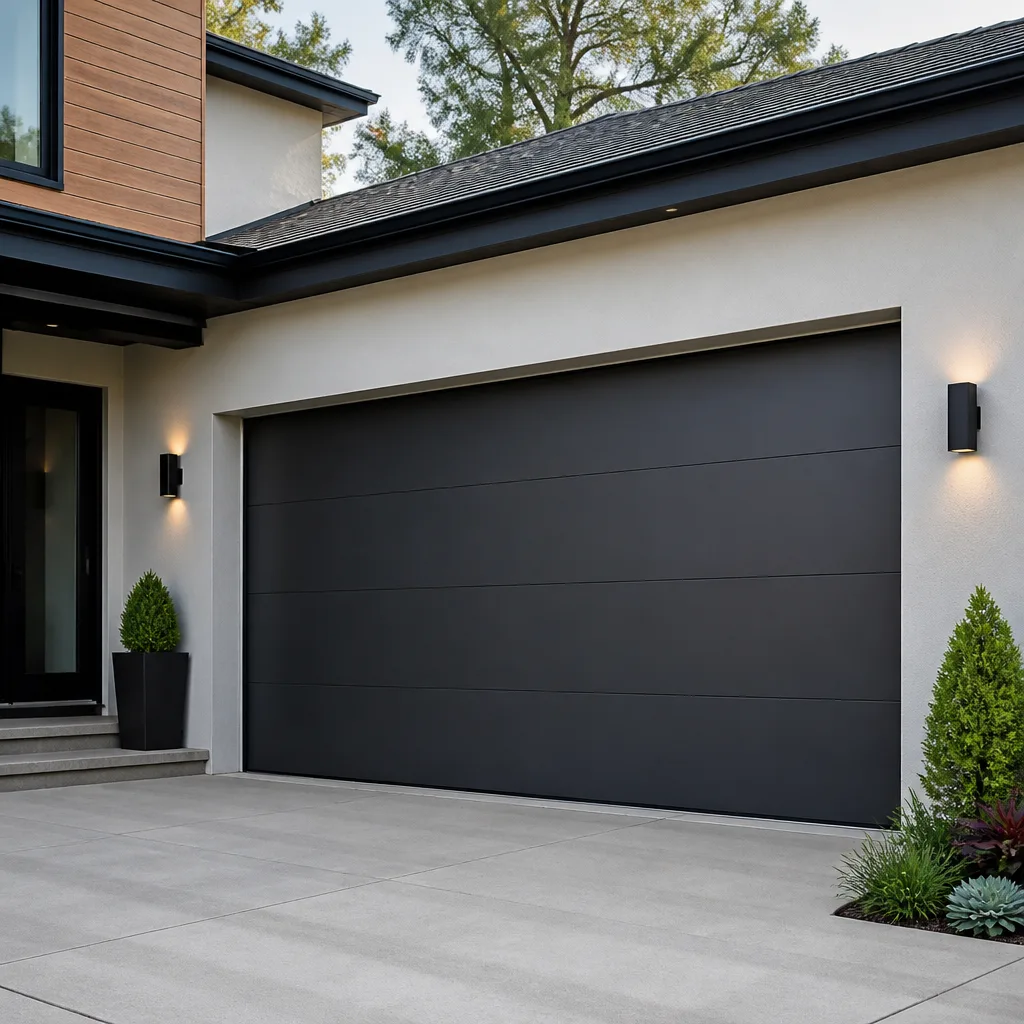 Modern flush
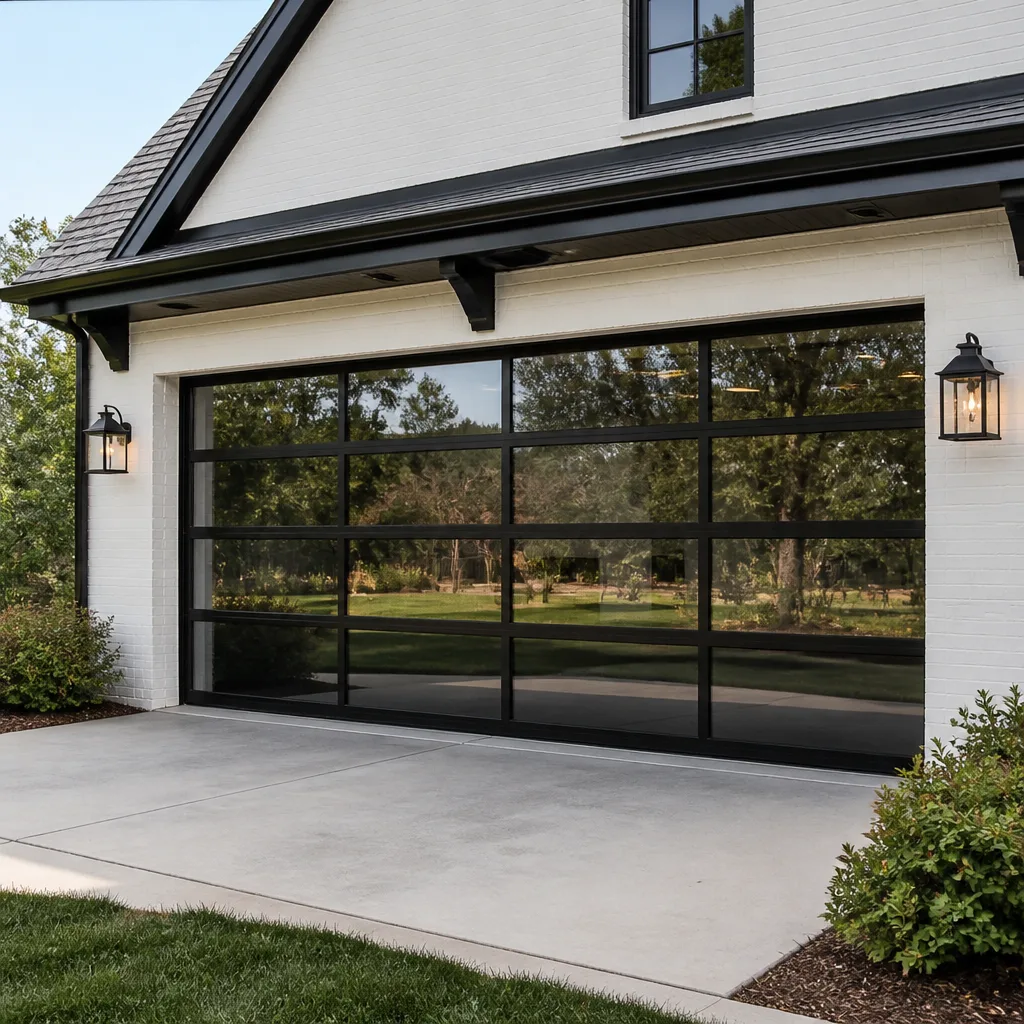 Full-view glass
 LiftMaster openers
 Chamberlain openers
Full 25-point door and opener safety check with every visit - springs, cables, rollers, tracks, and your LiftMaster or Chamberlain opener included
You get a price before we start. It does not change when the pro arrives.
Get your free estimateSeasonal Garage Door Care for The Heights: Year-Round Homeowner’s Guide
Most seasonal garage door guides hand you four tidy seasons and call it a plan. That framework doesn’t match what actually happens in The Heights. The real damage windows here are narrower and more specific: the slide from humid summer into the first hard fall temperature swings, and the freeze-thaw cycles that follow through late winter. Late October is when springs carry the most combined stress of the year. The temperature is dropping, the door gets used more as people spend less time outside, and corrosion that built up quietly over the summer starts showing on hinges and rollers all at once. This guide maps the year month by month for The Heights homeowners, covering what summer humidity does to your door, how to prep for winter slush, what fails every March, and how to reset your opener as the seasons change.
Quick Answer
Seasonal garage door care in The Heights follows the local climate, not the calendar’s four equal quarters. The heaviest stress arrives in late October, when dropping temperatures meet summer corrosion and heavier daily use, then again through winter freeze-thaw cycles that work hardware loose. A spring tune-up in early fall, a winter prep pass on seals and tracks, and a March inspection after the thaw prevent most of the failures we see in The Heights.
Styles & brands we work with
- Raised-panel steel
- Carriage house
- Modern flush
- Full-view glass
- LiftMaster openers
- Chamberlain openers
Table of Contents
- Why The Heights Doors Age Differently Than a Generic Guide Says
- The Month-by-Month Task Map for The Heights
- What Summer Humidity Does to Panels, Seals, and Openers
- The Fall Transition: Your Single Most Important Tune-Up
- Winter Prep: Slush, Bottom Seals, and Drain Channels
- Spring Inspection After Freeze-Thaw Cycles
- Adjusting Opener Sensitivity as Door Weight Changes
- Common Mistakes to Avoid
Why The Heights Doors Age Differently Than a Generic Guide Says
A garage door in The Heights lives through a wider temperature range in a single year than the national average advice accounts for. Humid summers push moisture into every seam. Then the first cold snap in October shrinks metal and stiffens lubricant in a matter of days. The door doesn’t wear out evenly; it takes damage in bursts tied to those swings.
That pattern changes what “seasonal maintenance” should mean. A door that sits in a mild, stable climate can go a year between real inspections. A door in The Heights cannot, because the transitions here do more work on the hardware than the seasons themselves.
There’s a second local factor: how much the door gets used. As the weather cools and people spend more time indoors, the garage becomes the main entrance again. More cycles per day means more wear on springs, rollers, and the opener’s drive system, all at the same time the metal is contracting. That combination is exactly why late October is the highest-stress window of the year for a The Heights garage door.
Understanding this is the foundation of everything below. The month-by-month map that follows isn’t a generic checklist stretched across twelve months. It’s built around when The Heights actually puts pressure on your door, and when a small task prevents a much bigger repair. If your door is already showing symptoms, our garage door repair service starts with a proper diagnosis rather than a guess.
Key Takeaways
- The heaviest stress on The Heights garage doors lands in late October, not evenly across the year.
- Summer humidity damages seals and opener components quietly; fall is when you undo most of it.
- Freeze-thaw cycles loosen hardware, so March inspection catches failures before they strand you.
- Opener sensitivity settings should be reset as seasons change, not set once and forgotten.
- Springs and cables are dangerous to touch; those jobs belong to trained specialists.
The Month-by-Month Task Map for The Heights
Here’s how the year actually breaks down for a garage door in The Heights. Each month or window below has one clear job, which makes the whole plan easier to keep up with than a vague seasonal list.
- March (after the thaw): Full inspection of hinges, rollers, and track alignment. This is when freeze-thaw damage surfaces.
- April: Lubricate hinges, rollers, and springs with a garage-door-specific lubricant. Clear any grit that winter pushed into the tracks.
- May: Test the safety reverse feature and check the bottom seal for cracks that opened over winter.
- June through August: Watch for humidity effects. Wipe down hardware, check the seal for moisture damage, and listen for opener strain.
- September: Balance test the door by hand. Note whether it feels heavier than in spring.
- October (the big one): Full fall tune-up. Lubricate everything, tighten hardware, and reset opener sensitivity for colder weather.
- November: Seal and weatherstrip check before the first hard freeze. Confirm the bottom seal sits flush.
- December through February: Keep tracks clear of slush and grit, and avoid forcing a frozen door.
If you only do three things all year, make them the October tune-up, the November seal check, and the March inspection. Those three line up with the points where The Heights climate does the most damage. Everything else is lower-stakes upkeep that keeps the door running smoothly between them.
This map also explains why a door can seem fine for months and then fail suddenly. The stress accumulates at the transitions, and by the time a spring snaps or a roller seizes, the wear has been building since the last change of season. Spreading the work across these windows means you catch small problems while they’re still cheap to fix. For doors beyond routine care, our garage door installation team can assess whether repair still makes sense or replacement is the better call.
What Summer Humidity Does to Panels, Seals, and Openers
Summer in The Heights is when the quiet damage happens. High humidity works its way into the places you don’t look: the seams between panels, the edges of the bottom seal, and the small electrical components inside the opener housing. None of it fails loudly in July. It shows up in October.
On the door itself, humidity affects three areas in particular:
- Panel seams: Moisture collects where panels meet, and over a season it can begin to work on the paint and the metal underneath. A steel door with a compromised finish rusts fastest at these joints.
- Bottom seals: The rubber or vinyl seal at the base of the door takes the most moisture of any part. It can stiffen, crack, or pull away from the door over a humid summer, which lets water and pests in.
- Opener components: Circuit boards and the motor housing can collect condensation in a humid garage. That’s one reason an opener that strained all summer starts giving trouble in the fall.
There’s one fall task that undoes most of this: a thorough clean-and-lubricate pass in October. Wiping down the panel seams, treating the bottom seal, and lubricating every moving part removes the grit and moisture that built up and resets the hardware before the cold arrives. It’s a small job with outsized payoff.
In our experience, homeowners who skip the fall clean-up are the ones who end up replacing a bottom seal or an opener a season or two ahead of schedule. Humidity doesn’t destroy a door on its own. It sets up the conditions where the first cold snap finishes the job. Doors from manufacturers like Clopay and Wayne Dalton hold up well to this cycle when the upkeep is kept up, but no finish or seal is maintenance-free.
The Fall Transition: Your Single Most Important Tune-Up
If you do one thing for your garage door this year, make it the October tune-up. This is the window when The Heights climate stacks three stressors at once: temperatures dropping fast, door use climbing as people move indoors, and the corrosion load from summer just beginning to show. The door is being asked to do more while its metal is contracting and its lubricant is thickening.
A proper fall tune-up covers the following:
- Lubricate hinges, rollers, springs, and the opener’s chain or screw drive with a lubricant made for garage doors. A cold-stiffened drive is where opener strain starts.
- Tighten every visible bolt on the hinges and tracks. Cold weather works loose hardware that was snug all summer.
- Run a balance test. Disconnect the opener and lift the door halfway by hand. It should stay put. If it drops or feels heavy, the springs are losing tension and should be checked by a specialist.
- Reset opener sensitivity for colder weather, covered in its own section below.
- Check the weatherstrip around the door opening, since gaps that were fine in summer let cold air and moisture in once temperatures fall.
One safety note here is non-negotiable. Garage door springs and the cables they connect to are under extreme tension. A spring that’s about to fail can release that tension without warning, and adjusting or replacing one is how serious injuries happen. Never try to wind, unwind, or remove a spring or cable yourself. That job is for a trained technician, and it’s one of the repairs we handle most often as a specialist. If your balance test points to weakening springs, stop and call before the door strands you.
Getting the fall tune-up done early in October, rather than waiting for the first cold snap to remind you, means the door is ready before the stress peaks. Our garage door opener repair service picks up where tune-up ends when the opener itself is the part that’s struggling.
Winter Prep: Slush, Bottom Seals, and Drain Channels
Winter preparation in The Heights centers on one enemy: wet slush that finds its way into places it shouldn’t. When snow and road slush get tracked or pushed against the bottom of the door, the moisture sits against the seal and in the drain channels along the floor of the garage. Freeze it overnight, thaw it the next day, and repeat all season, and the seal and the door’s lower edge take a beating.
Here’s what winter prep should include before the first hard freeze:
- Inspect the bottom seal for cracks, stiffness, or separation. A seal that no longer sits flush lets slush and cold air straight in, and freeze-thaw cycles will make a small gap worse.
- Clear the drain channels along the garage floor so meltwater has somewhere to go instead of pooling under the door.
- Treat the lower panels and seal with a product that helps shed water, since the bottom of the door sees the most wet contact all winter.
- Check that the door closes fully and seats against the floor evenly. A door that leaves a gap lets the cold in and lets moisture freeze into that gap.
Through the winter itself, the main rule is simple: don’t force a frozen door. If a door is stuck to the floor by ice, pulling on the opener strains the drive and can damage the door. Clear the ice first, then operate it normally. Keeping the tracks free of grit and slush also prevents the rollers from grinding their way through a cold season.
If you find your bottom seal is worn out before winter, replacing it is a quick, worthwhile job. It’s the one part of the door that absorbs the most abuse from The Heights winters, and a fresh seal protects the panels above it. Older doors in particular benefit, since their seals have had more seasons to harden.
Spring Inspection After Freeze-Thaw Cycles
March is inspection month in The Heights for a reason: freeze-thaw cycles are hard on hardware. Every time water gets into a joint, freezes, expands, and thaws, it nudges that hardware a little further out of place. By the time the ground thaws, bolts that were tight in November have loosened, and rollers that ran smooth in fall have picked up grit from a season of wet operation.
The specific failures that surface every March in this region tend to fall into a predictable set:
- Loose hinge bolts that let the door sag or rattle as it moves.
- Seized or worn rollers that make the door noisy and strain the opener.
- Tracks knocked out of alignment by winter movement and ice.
- Bottom seals that cracked through repeated freezing, now letting water in as the spring rains arrive.
- Springs that were near the end of their life and gave out during the winter’s heaviest use.
A spring inspection should check all of these, plus test the door’s balance and the opener’s safety reverse. Anything loose gets tightened, anything worn gets replaced, and the tracks get realigned so the door runs true again. Catching these in March means you’re not dealing with a door that won’t open in April, when you’re trying to get to work.
The freeze-thaw pattern also explains why a door that seemed fine in the fall can feel stiff and heavy by spring. It’s not your imagination. The balance test in the fall section above is worth repeating in March, and if the door feels heavier than it should, the springs are the first suspect. That’s a specialist job. If the hardware is beyond tightening, our team can walk you through a new door as easily as a repair through The Heights Garage Door Repair.
Adjusting Opener Sensitivity as Door Weight Changes
Opener sensitivity settings are the most common thing homeowners set once and then forget, and that’s a mistake in a climate like The Heights. Here’s why: the force your opener needs to lift the door changes with temperature. The same door is heavier to move in January than in July, because cold thickens lubricant, tightens the springs’ behavior, and contracts the metal. An opener tuned in summer can struggle and even refuse to close in winter.
Modern openers from LiftMaster, Chamberlain, and Genie have adjustable force and travel limits that let you match the opener to the current condition of the door. The settings aren’t there to mask a problem; they’re there to keep the opener working with the door rather than against it. But adjusting them correctly matters, and the safety reverse must always be retested afterward.
A sensible approach for The Heights is to reset sensitivity twice a year at the season changes, in October and again in spring, and retest the safety reverse each time. That test is simple: place a small object in the door’s path and confirm the door reverses on contact. If it doesn’t, the opener needs attention before someone gets hurt.
What you should not do is keep cranking up the force every time the door gets fussy. If the opener needs more and more force to move the door, the door itself has a problem, usually a spring or a roller, and the opener is just reporting it. That’s the difference between the right fix and a quick fix: turning up the force might get the door moving today, but it strains the opener and hides the real issue. When the door’s weight has genuinely changed beyond what adjustment can handle, it’s worth talking to us about whether the opener or the door needs attention first. Reach the team that handles garage door opener repair and get the setting right the first time.
Common Mistakes to Avoid
These are the recurring missteps we see from The Heights homeowners, and each one costs more than it saves.
- Treating the year as four equal seasons. Generic guides tell you to do the same checklist every few months, but The Heights climate concentrates its damage in October and March. Skipping those two windows is the single most expensive habit.
- Ignoring the bottom seal until winter. The seal is the part most exposed to slush and freeze-thaw, and a cracked seal lets cold and water in all season. Check it in fall, not after it’s already leaking.
- Setting the opener once and never touching it. Force and sensitivity need seasonal resetting as door weight changes with temperature. An opener tuned in July can fail to close in January.
- Cranking up opener force to force a stubborn door. If the door needs more force to move, the door has a problem, not the opener. Turning up the force strains the opener and hides the real issue.
- Lubricating with the wrong product. Household oil and WD-40 attract grit and gum up in cold weather. Use a garage-door-specific lubricant, especially before winter.
- Touching the springs. Never adjust, wind, or remove a spring or cable yourself. This is the most dangerous repair in the trade, and it’s a job for a trained specialist.
- Forcing a frozen door. Pulling on a door that’s stuck to the floor by ice strains the opener and can damage the door. Clear the ice first.
Most of these come down to one idea: match the maintenance to what the local climate is actually doing, rather than to a calendar on the wall. When in doubt about a symptom, a free estimate from a specialist costs you nothing and can save a much bigger repair down the line.
See the difference
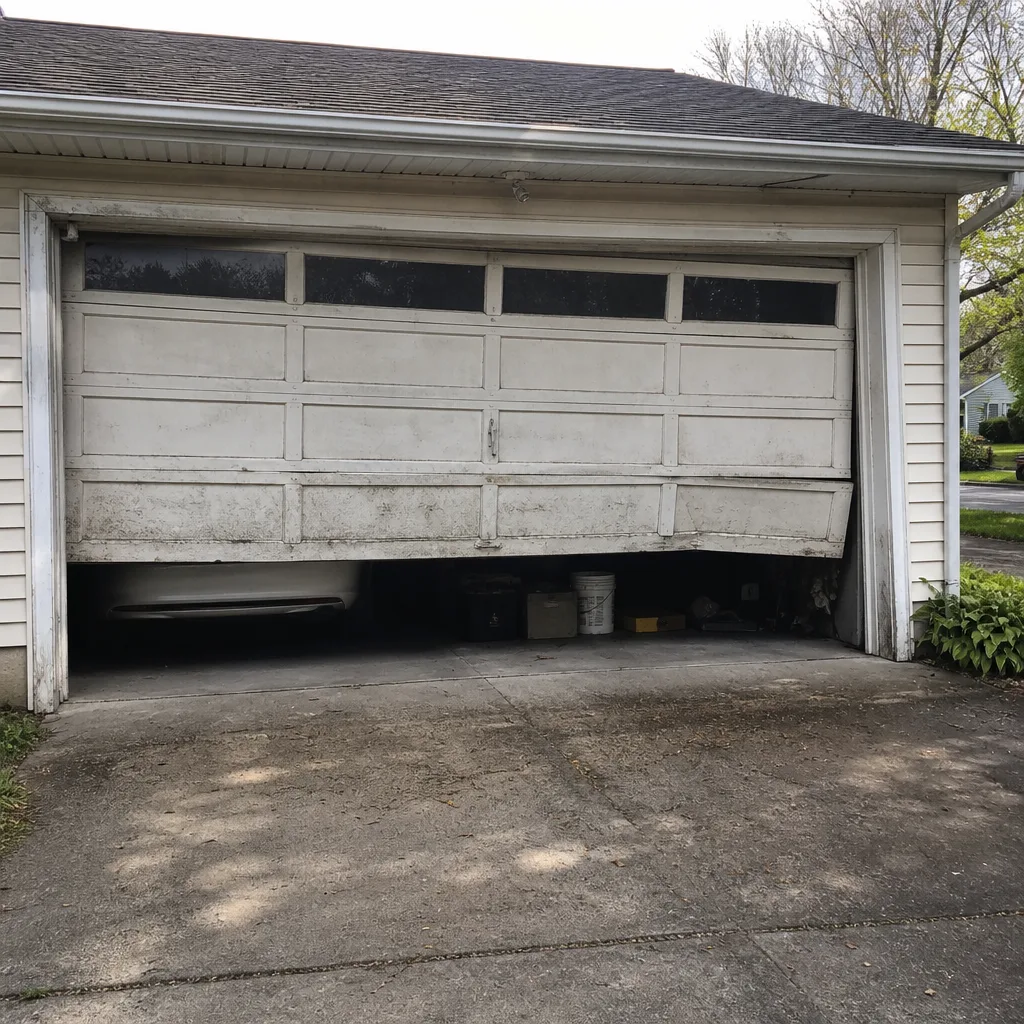 Before
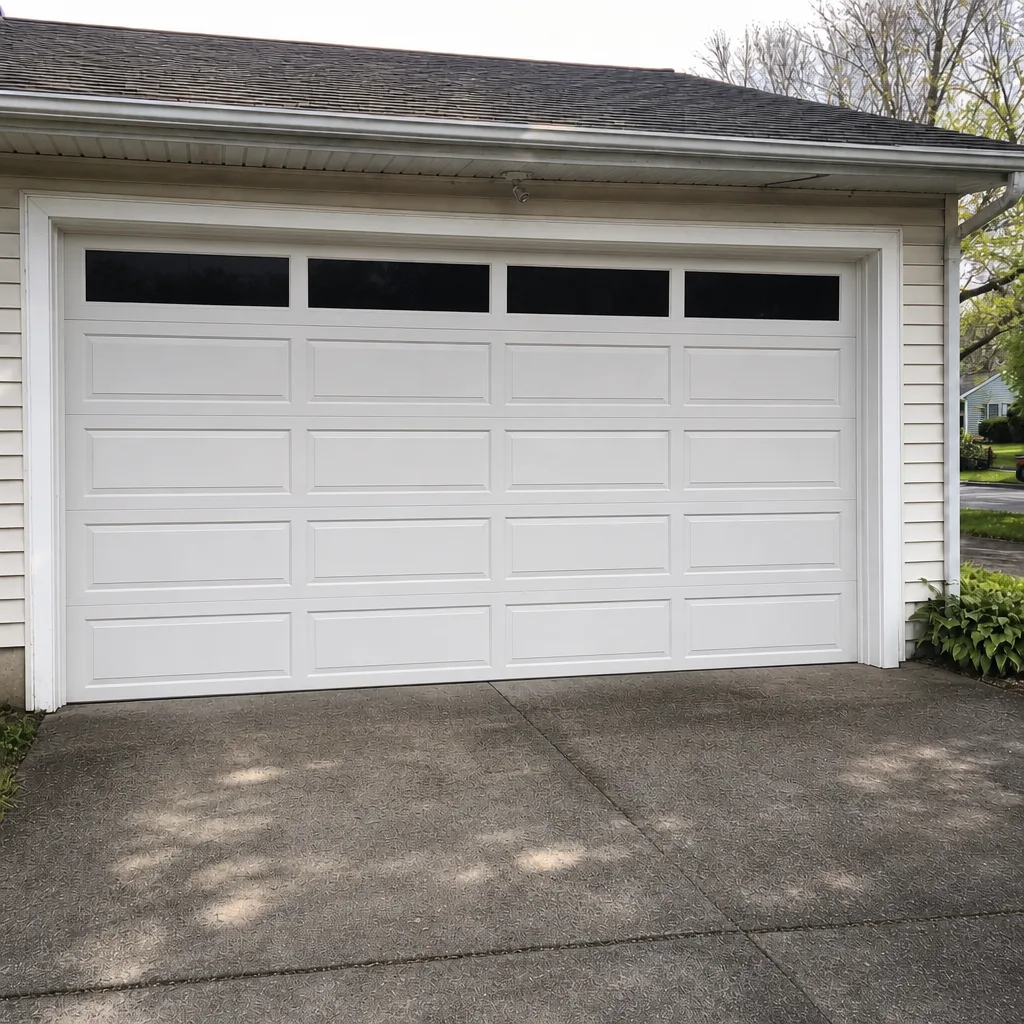 After
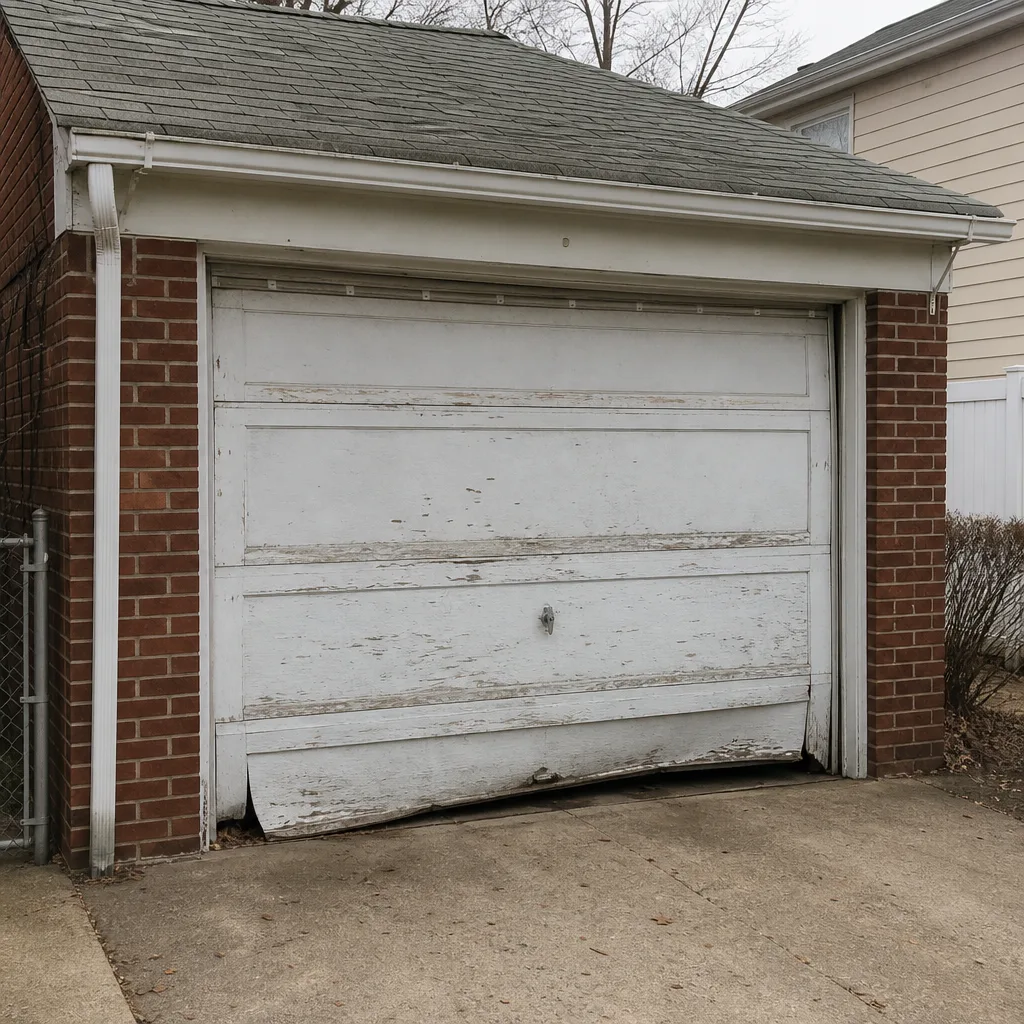 Before
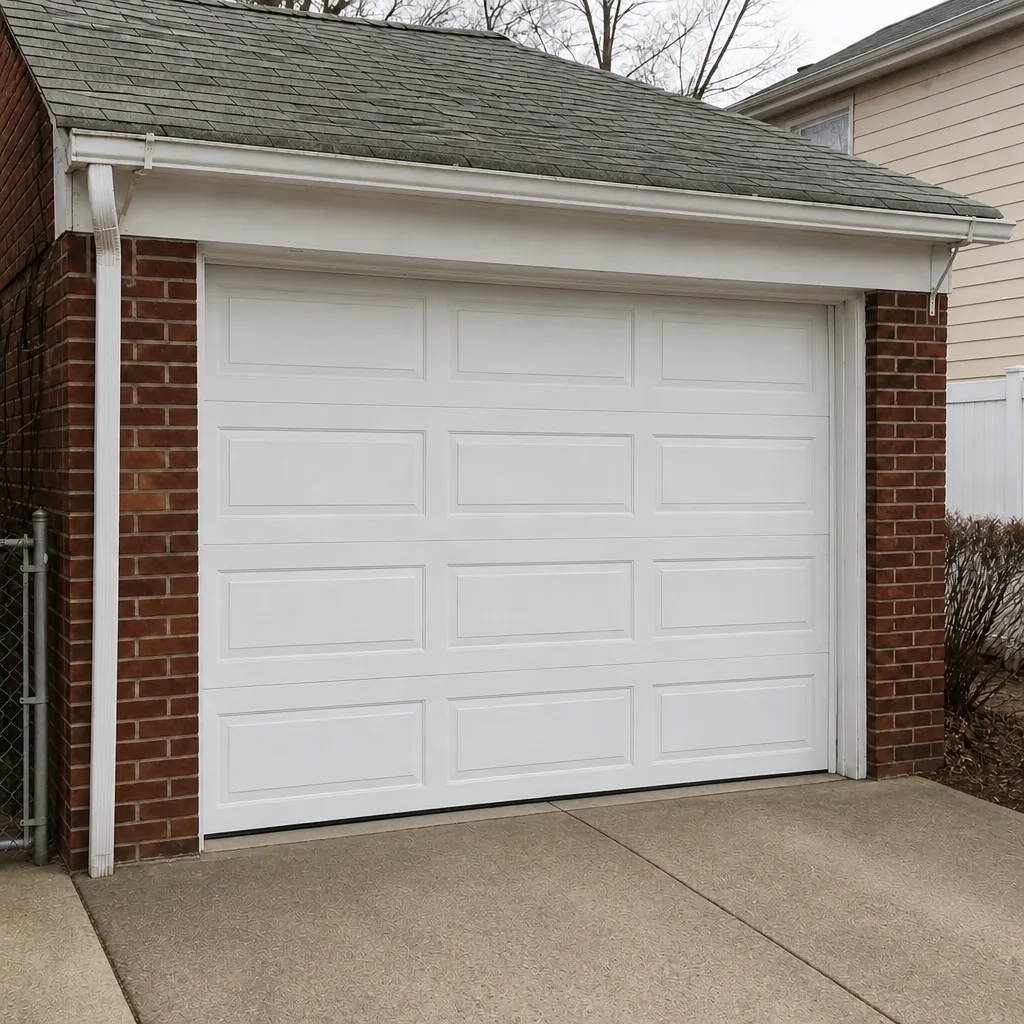 After
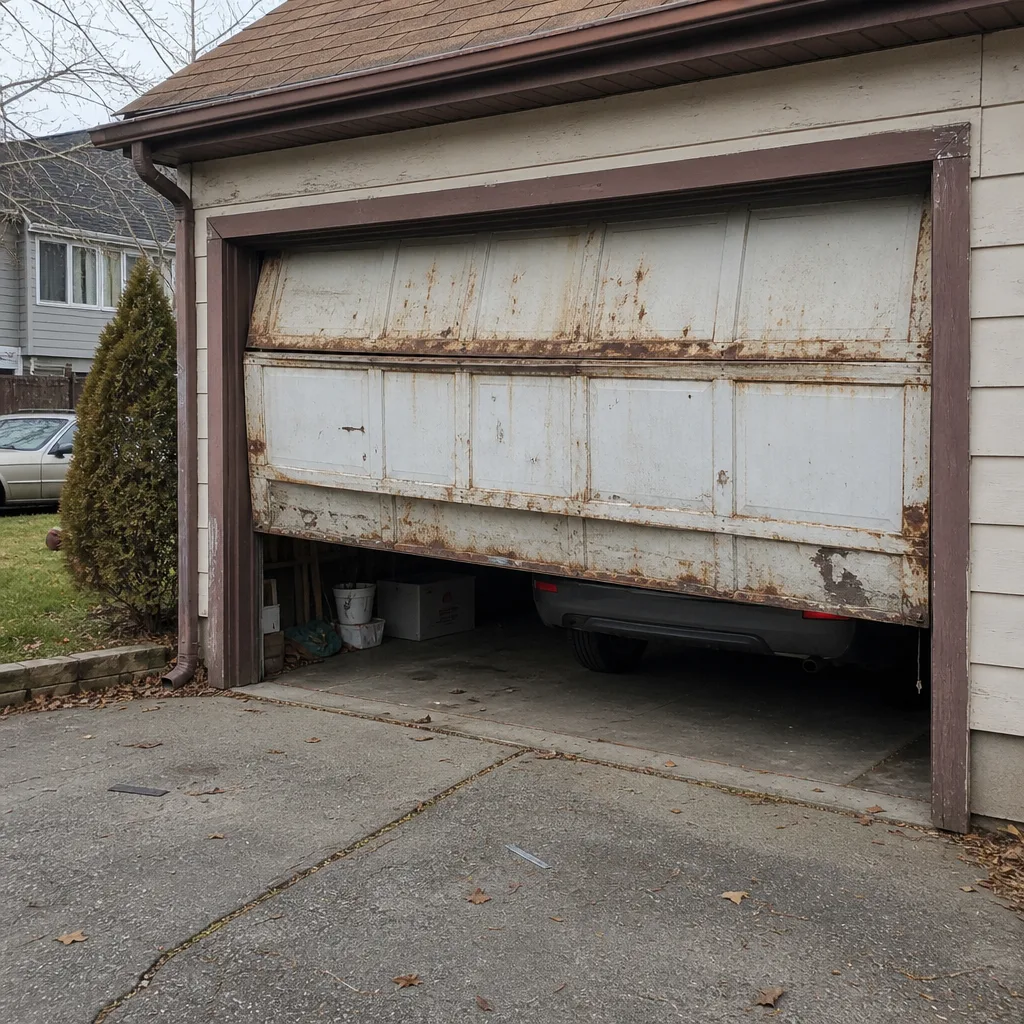 Before
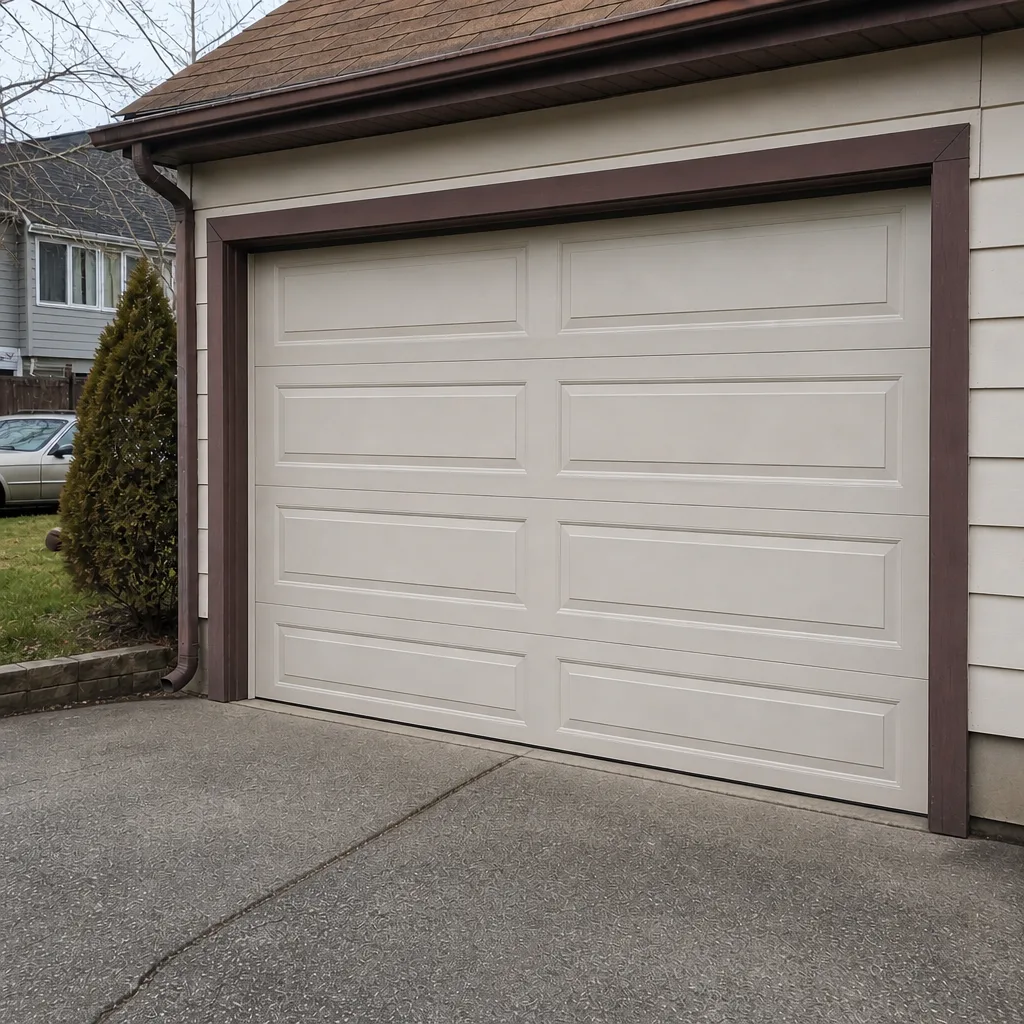 After
When to Call a Professional
Some garage door work is routine and safe to handle yourself: wiping down panels, lubricating hinges and rollers, and clearing grit from the tracks. Other situations call for a specialist, and it’s better to know which is which before something fails at the worst time. Call a professional if your door makes a sudden loud bang, if a spring looks stretched or broken, if the door is crooked or off its tracks, if the opener reverses for no reason, or if the door feels much heavier than it used to. Any problem involving springs or cables is a professional job by default, given how dangerous those parts are. For freeze-thaw damage, opener issues, or a door that’s beyond routine care, a specialist can diagnose the real cause instead of guessing. The Heights Garage Door Repair offers free estimates in The Heights. Call (844) 325-8504 and we’ll get your door back to working order today. Our technicians have up to 14 years of experience across eight major brands, and every job starts with a written price agreed before any work begins.
Frequently Asked Questions
Aim for a fall tune-up in October, a winter prep pass in November, and a full inspection in March after the thaw. That three-point schedule lines up with the local climate’s heaviest stress windows. Light lubricating and track cleaning between those points keeps things running. Call (844) 325-8504 for a free estimate if you’d rather have a specialist handle the tune-up.
Cold thickens lubricant, contracts the metal, and changes how the springs behave, so the door genuinely takes more force to move in January than in July. That’s normal up to a point. If the door is dramatically heavier or won’t stay up in a balance test, the springs are losing tension and should be checked by a specialist. Call (844) 325-8504 to get it looked at.
Humidity collects in panel seams, softens and cracks the bottom seal, and can cause condensation inside the opener housing. The damage shows up months later, usually in fall. A thorough October clean-and-lubricate pass undoes most of it before the cold arrives. If you notice rust or a failing seal, call (844) 325-8504 for a free estimate.
You can adjust force and travel limits on most modern openers, but you must retest the safety reverse afterward to confirm the door reverses on contact. Reset the settings at the season changes in October and spring, since door weight shifts with temperature. If the opener keeps needing more force, the door has an underlying problem, so call (844) 325-8504 rather than cranking the setting higher.
Yes, if it’s cracked, stiff, or pulling away from the door. The bottom seal takes the most wet contact of any part and is the first thing winter slush and freeze-thaw cycles attack. A fresh seal protects the lower panels and keeps cold air and moisture out. Call (844) 325-8504 to schedule a seal replacement before the first freeze.
Springs most often give out during the winter’s heaviest use and the October temperature drop, when cold and load combine. A loud bang, a door that won’t lift, or an uneven, crooked lift all point to a spring problem. Never adjust a spring yourself. Call (844) 325-8504 and a specialist will handle the repair safely.
The Bottom Line
Seasonal care for a garage door in The Heights isn’t about four tidy seasons. It’s about matching maintenance to when this climate actually does damage: the late October stress peak, the winter freeze-thaw grind, and the March hardware failures that follow. Get the fall tune-up done, protect that bottom seal before winter, and inspect everything after the thaw. Reset your opener as the door’s weight changes, and leave springs and cables to a specialist. Keep those three windows on your calendar and your door will keep working through the year. When you need a hand, The Heights Garage Door Repair is a call away at (844) 325-8504 for a free estimate, with upfront pricing and the price quoted and agreed before any work starts.
Written by the team at The Heights Garage Door Repair.